Reading this sentence probably feels automatic. Your eyes glide, your brain quietly assembles meaning, and you never think about the mechanics. For roughly 1 in 10 people, that same paragraph is a slow, slippery puzzle. Letters swap places, lines blur, and the effort of decoding steals attention away from understanding. The fastest way to build real empathy is not a lecture — it is a simulation. These sites and tools let you see text the way a dyslexic reader might experience it, and a few of them go further by showing the assistive technology that makes reading workable again.
Table of Contents(Click to Toggle)
- Why Reading Simulations Change How You See Dyslexia
- 17 Websites That Show You What Dyslexia Reading Feels Like
- 1. Dyslexia Simulation (Windows & Mac)
- 2. Understood’s Through Your Child’s Eyes
- 3. Web AIM Dyslexia Simulator
- 4. OpenDyslexic Font
- 5. Dyslexie Font
- 6. NoCoffee Vision Simulator
- 7. Funkify
- 8. Color Oracle
- 9. Seeing AI
- 10. Microsoft Immersive Reader
- 11. Google Read Along
- 12. Voice Dream Reader
- 13. NaturalReader
- 14. BeeLine Reader
- 15. Helperbird
- 16. Learning Ally
- 17. Bookshare
- Bonus Mentions
- The Best-Kept Reading Tools on the Internet
Why Reading Simulations Change How You See Dyslexia
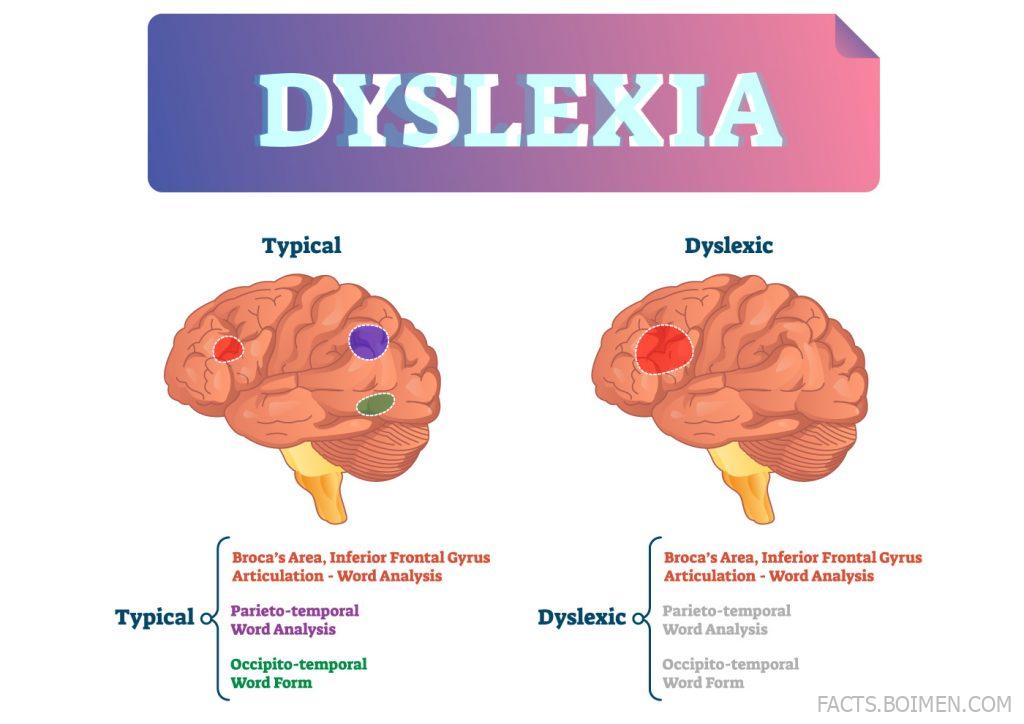
Dyslexia is not a vision problem and it is not a sign of low intelligence. It is a difference in how the brain processes language sounds and maps them onto written symbols. That is exactly why simulations matter: they cannot replicate the neurology, but they can replicate the experience of effortful decoding. When letters jumble or a paragraph takes three times as long to read, you feel the fatigue that many students carry silently through every class.
Teachers use these tools in training sessions. Designers use them to test whether a website is readable. Parents use them to finally understand why homework takes so long. The list below mixes true simulators with the fonts, overlays, and text-to-speech apps that dyslexic readers actually rely on every day — so you get both sides of the story.
17 Websites That Show You What Dyslexia Reading Feels Like
1. Dyslexia Simulation : The closest thing to a switch that flips your reading brain
What it is: A free browser-based simulator that scrambles, mirrors, and drifts letters in real time as you try to read a passage.
Category: Reading simulation
Why it stands out:
- You can adjust the intensity, so you feel mild letter swapping versus a heavy overload.
- It includes a timer, which makes the speed gap painfully obvious.
- No download and no account needed — it runs in a browser tab.
Best for: Anyone who wants a two-minute gut-punch of understanding before a longer research session.
2. Understood’s Through Your Child’s Eyes : Simulations built for parents and teachers
What it is: A nonprofit site with interactive experiences that mimic dyslexia, attention issues, and other learning differences.
Category: Educational simulation
Why it stands out:
- The dyslexia module pairs a simulated reading task with narrated explanations of what is happening.
- It offers practical follow-up advice on classroom accommodations.
- Everything is free and written in plain, non-clinical language.
Best for: Parents who just received a diagnosis and want to understand their child’s daily experience.
3. WebAIM Dyslexia Simulator : A design-focused look at unreadable text
What it is: A web accessibility resource that demonstrates how poor typography, low contrast, and cramped spacing hurt dyslexic readers.
Category: Accessibility testing
Why it stands out:
- It shows before-and-after examples of the same paragraph with better fonts and spacing.
- The lessons are concrete: line height, letter spacing, and column width all matter.
- It is a trusted reference used in university accessibility courses.
Best for: Web designers and content creators who want their pages to be readable for everyone.
4. OpenDyslexic Font : A free typeface with weighted letter bottoms
What it is: An open-source font designed so each letter has a heavier base, which reduces the sensation of letters flipping.
Category: Assistive typography
Why it stands out:
- It is completely free for personal and commercial use.
- You can install it system-wide or use it as a browser extension.
- Many readers report that the weighted base keeps letters anchored to the line.
Best for: Readers who want to test whether a dyslexia-friendly font reduces their own fatigue.
5. Dyslexie Font : The commercial font that started the conversation
What it is: A paid typeface with uniquely shaped letters, thicker strokes, and larger openings to improve letter recognition.
Category: Assistive typography
Why it stands out:
- Each letter is subtly different, which helps prevent the brain from swapping similar shapes.
- A free browser extension lets you try it on real websites before buying.
- Schools can license it for entire classrooms.
Best for: Schools and workplaces that want a polished, supported font with customer service behind it.
6. NoCoffee Vision Simulator : See through the eyes of low vision and reading difficulty
What it is: A browser extension that simulates visual impairments including blur, reduced contrast, and field loss.
Category: Vision simulation
Why it stands out:
- It overlays simulations directly on any live website you visit.
- You can stack multiple conditions to see how they compound.
- It is a favorite in user-experience research for quick empathy tests.
Best for: UX researchers who need to justify accessible design decisions with evidence.
7. Funkify : A disability simulator built for product teams
What it is: A Chrome extension that simulates dyslexia, tremors, tunnel vision, and other conditions on any web page.
Category: Accessibility testing
Why it stands out:
- The dyslexia mode jumbles and animates text so you can feel reading friction instantly.
- It works on your own prototypes, not just demo pages.
- A free tier covers the core simulations.
Best for: Developers and designers testing a product before launch.
8. Color Oracle : Check how color choices affect readability
What it is: A free color-blindness simulator that shows how your screen looks with different types of color vision deficiency.
Category: Vision simulation
Why it stands out:
- It runs on Windows, Mac, and Linux with no install friction.
- It reveals when color alone is carrying meaning in charts or buttons.
- It is often used alongside dyslexia simulations in accessibility audits.
Best for: Anyone designing charts, maps, or color-coded interfaces.
9. Seeing AI : A talking camera that reads the world aloud
What it is: A free Microsoft app that narrates text, people, and objects captured by your phone camera.
Category: Text-to-speech assistive app
Why it stands out:
- It can read a printed page, a menu, or a handwritten note in seconds.
- Multiple channels let you switch between short text, documents, and people recognition.
- It works offline for several core features.
Best for: Students who need to scan a worksheet and hear it read back immediately.
10. Microsoft Immersive Reader : Reading support baked into everyday apps
What it is: A built-in reading tool inside Word, Edge, Teams, and OneNote that adjusts text for easier decoding.
Category: Reading support
Why it stands out:
- It can read text aloud, break words into syllables, and highlight parts of speech.
- Line focus mode dims everything except the line you are reading.
- It is free and already installed if you use Microsoft products.
Best for: Students who want help without switching to a separate app.
11. Google Read Along : A reading coach that listens and encourages
What it is: A free Google app where a friendly reading assistant gives feedback as a child reads aloud.
Category: Early literacy practice
Why it stands out:
- It uses speech recognition to highlight words and celebrate progress.
- Stories are leveled, so beginners are not thrown into dense paragraphs.
- It works offline after stories are downloaded.
Best for: Younger readers who need low-pressure daily practice.
12. Voice Dream Reader : Turns any document into an audiobook
What it is: A mobile app that reads PDFs, ebooks, web articles, and scanned pages aloud with high-quality voices.
Category: Text-to-speech
Why it stands out:
- It highlights words as they are spoken, linking sound to text.
- You can adjust speed far beyond normal audiobook limits.
- It handles awkward formats like scanned textbooks that other apps choke on.
Best for: College students juggling heavy reading loads.
13. NaturalReader : Free text-to-speech for the web and desktop
What it is: A tool that reads copied text, documents, and web pages aloud with natural-sounding voices.
Category: Text-to-speech
Why it stands out:
- The free tier is generous and works in the browser with no install.
- An OCR feature can read text from images and screenshots.
- Voices are available in many languages, which helps bilingual readers.
Best for: Casual users who want listening support without paying a subscription.
14. BeeLine Reader : A color gradient that guides your eyes
What it is: A tool that applies a subtle color gradient across lines of text to help your eyes track from one line to the next.
Category: Reading aid
Why it stands out:
- The gradient reduces line-skipping, a common frustration for dyslexic readers.
- It works as a browser extension, a PDF tool, and a mobile app.
- Many users report faster reading without extra effort.
Best for: Readers who lose their place on dense pages.
15. Helperbird : An accessibility toolkit in one extension
What it is: A browser extension bundling dyslexia-friendly fonts, text-to-speech, overlays, and reading rulers.
Category: Accessibility extension
Why it stands out:
- You can switch fonts and spacing on any website with one click.
- A reading ruler highlights one line at a time to reduce visual clutter.
- It also supports color overlays for light sensitivity.
Best for: Students who need multiple supports in a single, portable tool.
16. Learning Ally : Human-narrated audiobooks for school
What it is: A nonprofit audiobook library with human narrators and textbook support for struggling readers.
Category: Audiobook library
Why it stands out:
- Narrations are recorded by real people, which many students find easier to follow.
- It includes textbooks aligned to school curricula.
- Schools can provide access as an official accommodation.
Best for: Families working with a school to formalize reading support.
17. Bookshare : A massive free library for readers with print disabilities
What it is: A nonprofit digital library offering hundreds of thousands of accessible ebooks free to qualifying readers.
Category: Accessible library
Why it stands out:
- Books come in formats that work with text-to-speech and braille displays.
- Membership is free for qualifying students in many countries.
- The catalog spans textbooks, bestsellers, and children’s titles.
Best for: Readers who need a steady, free supply of accessible books.
Bonus Mentions
Texthelp Read&Write : A full literacy toolbar with word prediction and proofreading
What it is: A paid suite that reads text aloud, predicts words, and checks grammar across websites and documents.
Category: Literacy software
Why it stands out: It combines reading, writing, and study skills in one toolbar, and many universities provide it free to students.
Best for: Students who need support for both reading and writing assignments.
LD OnLine : A deep archive of learning-disability guidance
What it is: A long-running nonprofit site with articles, expert Q&As, and classroom strategies.
Category: Information and advocacy
Why it stands out: It is written by educators and researchers, and it covers everything from early signs to workplace accommodations.
Best for: Parents and teachers who want reliable background reading.
International Dyslexia Association : The research-backed hub
What it is: A global nonprofit providing fact sheets, conference resources, and provider directories.
Category: Advocacy and research
Why it stands out: Its fact sheets are concise, citation-backed, and free to download.
Best for: Anyone who wants to separate evidence from internet myths.
Made By Dyslexia : Reframing dyslexia as a strength
What it is: A charity founded by dyslexic entrepreneurs that trains teachers and celebrates dyslexic thinking.
Category: Advocacy
Why it stands out: Its free training videos are short, practical, and used by schools worldwide.
Best for: Educators who want to shift from deficit thinking to strengths-based teaching.
Understood : Ongoing support beyond the simulation
What it is: A nonprofit offering tools, community, and expert content for learning differences.
Category: Support community
Why it stands out: It pairs its simulations with real-world next steps, from IEP advice to workplace rights.
Best for: Families navigating school meetings and accommodations.
The Best-Kept Reading Tools on the Internet
What makes this corner of the web special is that it does not just explain dyslexia — it lets you feel the friction, then hands you the tools to remove it. A simulation takes two minutes. A font change takes one click. An audiobook library can change an entire semester. Together, they turn a vague concept into something you can actually act on.
Start with a simulator to build empathy, then explore the fonts and text-to-speech apps if you or someone you know struggles with reading. Most of these tools are free, and the paid ones usually offer trials or school licenses. The goal is not a cure — it is access, and access is getting better every year.
Which one surprised you the most, or do you have a hidden-gem reading tool of your own to add to the list?