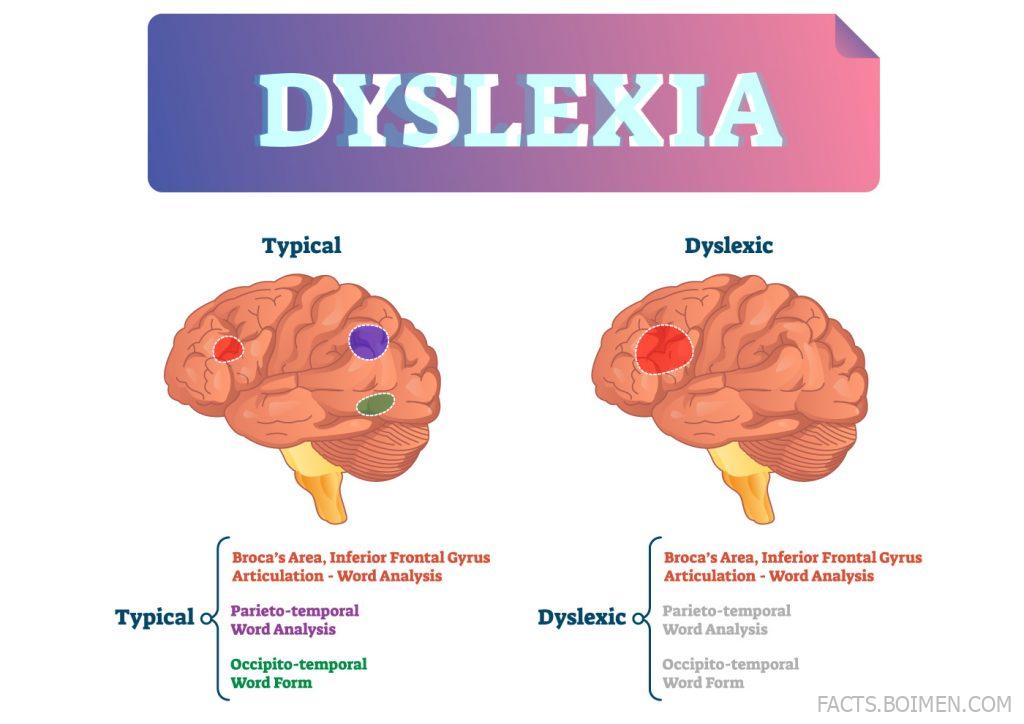
A dyslexia check does not have to start with a waiting list, a referral, or a fee. There are free, browser-based tools that let you look at how someone reads, spells, and processes sounds in just a few minutes. Some are quick self-screeners, others are proper research-backed test batteries, and a few are quiet gems that almost nobody talks about. This list gathers 16 of them, from household names to genuinely obscure options, plus a handful of bonus finds. None of them diagnose anything on their own, but each one gives you real information you can act on.
Table of Contents(Click to Toggle)
- Why a Quick Dyslexia Check Is Worth Ten Minutes
- 16 Free Online Dyslexia Check Tools and Reading Screeners
- 1. Dyslexia Screening Test (Learning Ally)
- 2. Lexercise Dyslexia Test
- 3. Dyslexia Test (Dyslexia.com)
- 4. Nessy Free Dyslexia Test
- 5. Understood Reading and Dyslexia Screener
- 6. Davis Dyslexia Correction Screening
- 7. Phonological Awareness Screening (Reading Rockets)
- 8. Lexilogy Online Dyslexia Screener
- 9. Dytective (Change Dyslexia)
- 10. Reading Buddy Dyslexia Check
- 11. Dyslexia Screener (Homeschool Testing)
- 12. ADHD and Dyslexia Self-Report (ADDitude)
- 13. Starfall Reading Practice
- 14. Reading Eggs Free Trial Placement
- 15. Bookshare Eligibility Check
- 16. Google Docs Read Along
- Bonus Mentions
- The Quiet Power of a Ten-Minute Reading Check
Why a Quick Dyslexia Check Is Worth Ten Minutes
Dyslexia is one of the most common learning differences, and it is also one of the most frequently missed. A child who reads slowly, guesses at words, or avoids reading aloud is often labelled lazy or distracted when the real issue is how their brain processes written language. A screening is not a diagnosis, but it is a signal. It tells you whether the patterns you are seeing match the well-documented markers of dyslexia, and whether a full evaluation is worth pursuing.
What makes online checks useful is speed and privacy. You can run one at the kitchen table tonight, get a result in under ten minutes, and decide what to do next without anyone watching. The tools below range from five-minute quizzes to research-backed screeners used in schools. Start with one, then try a second for a cross-check. If both flag the same pattern, that is your cue to talk to a teacher, a tutor, or a specialist.
16 Free Online Dyslexia Check Tools and Reading Screeners
1. Dyslexia Screening Test (Learning Ally) : A free, structured screener built by a literacy nonprofit
What it is: A free online dyslexia screening tool from Learning Ally, a nonprofit that has supported readers with print disabilities for decades.
Category: Nonprofit screener
Why it stands out:
- Walks through reading, spelling, and phonological tasks in one sitting
- Built on the same markers specialists use in early identification
- Connects you to audiobook and human-narrated reading support afterward
Best for: Parents who want a credible first check plus a clear next step.
2. Lexercise Dyslexia Test : A free online test with a scored, emailed result
What it is: A free dyslexia test from Lexercise, a tutoring company that also offers structured literacy therapy.
Category: Commercial screener
Why it stands out:
- Takes about ten minutes and returns a scored result by email
- Covers reading, spelling, and language history in one flow
- Flags whether the pattern suggests a language-based reading difficulty
Best for: Anyone who wants a quick numeric result they can save and share.
3. Dyslexia Test (Dyslexia.com) : The classic self-assessment with an adult version
What it is: A free online questionnaire from the Davis Dyslexia Association International, one of the oldest dyslexia resources on the web.
Category: Self-assessment
Why it stands out:
- Separate versions for children and adults, which most free tools skip
- Focuses on visual and spatial thinking traits, not just reading speed
- Instant scoring with a plain-language explanation of the result
Best for: Adults who suspect dyslexia and never got checked as kids.
4. Nessy Free Dyslexia Test : A playful check designed to feel like a game
What it is: A free dyslexia screening test from Nessy, a company known for colourful, game-based literacy software.
Category: Child-friendly screener
Why it stands out:
- Uses short, engaging tasks that keep younger kids from losing focus
- Reports results as a clear risk indicator rather than a scary score
- Pairs naturally with Nessy’s phonics games if you want to practise after
Best for: Children aged roughly 5 to 11 who resist formal testing.
5. Understood Reading and Dyslexia Screener : A free screener backed by learning specialists
What it is: A free online screening tool from Understood, a nonprofit focused on learning and thinking differences.
Category: Nonprofit screener
Why it stands out:
- Short question set that maps to common dyslexia warning signs by age
- Results come with articles and scripts for talking to your school
- Completely free with no upsell attached to the result
Best for: Parents preparing to request a school evaluation.
6. Davis Dyslexia Correction Screening : A trait-based questionnaire focused on how you think
What it is: The Davis method’s screening questionnaire, which looks at the thinking style behind dyslexia rather than reading fluency alone.
Category: Trait questionnaire
Why it stands out:
- Asks about mental imagery, disorientation, and problem-solving strengths
- Frames dyslexia as a difference with advantages, not just a deficit
- Useful when reading tests alone do not capture what you notice at home
Best for: Visual thinkers whose reading scores look borderline.
7. Phonological Awareness Screening (Reading Rockets) : Free checklists that target the root skill
What it is: Reading Rockets hosts free phonological awareness screening materials and printable checklists for parents and teachers.
Category: Skill checklist
Why it stands out:
- Phonological awareness is the strongest early predictor of reading difficulty
- Checklists are organised by age so you know what is expected when
- Pairs with free articles explaining exactly what each skill means
Best for: Early years and kindergarten screening before reading even starts.
8. Lexilogy Online Dyslexia Screener : A lesser-known screener with a structured report
What it is: An online dyslexia screening and literacy assessment platform used by tutors and families.
Category: Assessment platform
Why it stands out:
- Breaks results into sub-skills so you can see where the gap actually is
- Produces a written summary you can bring to a tutor
- Less crowded than the big-name screeners, so it is rarely discussed
Best for: Families already working with a private tutor.
9. Dytective (Change Dyslexia) : A research-based game that screens in about 15 minutes
What it is: A free online dyslexia screening game developed with linguistic research, offered by the Change Dyslexia foundation.
Category: Game-based screener
Why it stands out:
- Uses playful language puzzles instead of a questionnaire
- Built on published research into early dyslexia detection
- Works in multiple languages, which most free screeners do not
Best for: Kids who shut down the moment something feels like a test.
10. Reading Buddy Dyslexia Check : A gentle first-pass check for young readers
What it is: A simple online reading check aimed at early readers, with a focus on letter sounds and word recognition.
Category: Early reader check
Why it stands out:
- Short enough for a five-year-old’s attention span
- Focuses on decoding rather than comprehension, which is where dyslexia shows first
- Gives parents a concrete list of sounds to practise at home
Best for: Reception and Year 1 children just starting phonics.
11. Dyslexia Screener (Homeschool Testing) : A budget option built for home educators
What it is: An online screening service aimed at homeschooling families who need documentation without a school system.
Category: Homeschool screener
Why it stands out:
- Produces a printable record you can keep in your portfolio
- Understands the homeschool context instead of assuming a classroom
- Low-cost compared with private educational psychology assessments
Best for: Home-educating parents who need a paper trail.
12. ADHD and Dyslexia Self-Report (ADDitude) : Free symptom checklists that often overlap
What it is: ADDitude hosts free self-report checklists covering ADHD, dyslexia, and related learning differences.
Category: Symptom checklist
Why it stands out:
- ADHD and dyslexia frequently co-occur, so checking both is smart
- Checklists are written in plain language with no jargon
- Free to download and easy to bring to an appointment
Best for: Anyone whose reading struggles come with attention issues too.
13. Starfall Reading Practice : Not a test, but a free way to watch reading in action
What it is: A long-running free phonics and reading site for young children, useful as an informal observation tool.
Category: Practice and observation
Why it stands out:
- You can watch which sounds trip your child up in real time
- Free tier covers a lot of early phonics ground
- Low pressure, so children behave naturally rather than performing
Best for: Parents who want to observe before they screen.
14. Reading Eggs Free Trial Placement : A placement test that doubles as a reading check
What it is: Reading Eggs uses a placement test to slot children into its lessons, and the free trial lets you see the result.
Category: Placement assessment
Why it stands out:
- Shows a reading age estimate you can compare with school expectations
- The trial period is genuinely free with no card required in many regions
- Lessons adapt automatically once the placement is done
Best for: Parents who want a reading level plus practice in one place.
15. Bookshare Eligibility Check : The free route to accessible books if screening flags a need
What it is: Bookshare is a free accessible library for people with print disabilities, including dyslexia, in eligible countries.
Category: Access and support
Why it stands out:
- Over a million titles in audio, braille, and large print
- Free for qualifying US students and many international members
- Turns a screening result into something practical the same week
Best for: Anyone whose check confirms a need for reading accommodations.
16. Google Docs Read Along : A free built-in way to hear reading struggles instantly
What it is: Google Docs includes a Read Along feature that highlights words as they are read aloud, available at no cost.
Category: Accessibility tool
Why it stands out:
- You can paste any passage and hear it read while words highlight
- Useful for spotting which specific words a reader misreads
- Works on a Chromebook, which many schools already provide
Best for: A free, no-signup way to observe reading fluency today.
Bonus Mentions
Read&Write (Texthelp) : A popular toolbar with a free 30-day trial
What it is: A literacy support toolbar with text-to-speech, word prediction, and screenshot reading.
Category: Assistive toolbar
Why it stands out:
- Widely used in schools, so teachers often already know it
- Free trial long enough to judge whether it helps
Best for: Older students who need reading support across subjects.
Microsoft Learning Tools : Free Immersive Reader built into Word and Edge
What it is: Microsoft’s free Immersive Reader, available in Word, Edge, and OneNote.
Category: Accessibility feature
Why it stands out:
- Reads text aloud with adjustable speed and syllable splitting
- Already installed on most Windows and school devices
Best for: Classrooms that run on Microsoft software.
OpenDyslexic Font : A free typeface some readers find easier
What it is: A free, open-source font designed with heavier letter bottoms to reduce letter confusion.
Category: Reading aid
Why it stands out:
- Free to download and use anywhere
- Easy to test in a browser in under a minute
Best for: Readers who mix up b, d, p, and q.
LD OnLine : A deep free library on learning differences
What it is: A long-standing nonprofit site with articles, expert answers, and first-person accounts.
Category: Information hub
Why it stands out:
- Explains what screening results actually mean
- Free and ad-light compared with many education sites
Best for: Reading up after a screener flags something.
Understood Community : Free forums where parents compare notes
What it is: Discussion groups and expert webinars from the Understood nonprofit.
Category: Community
Why it stands out:
- Real parents describing what happened after their own screening
- No cost and no sales pitch
Best for: Anyone who wants reassurance before the next step.
The Quiet Power of a Ten-Minute Reading Check
The best thing about these tools is how little they ask of you. No appointment, no fee, no waiting room. You sit down, run a dyslexia check, and walk away with a clearer picture than you had ten minutes earlier. That picture is not a diagnosis, and it should never be treated as one, but it is a starting point. It turns a vague worry into a specific question you can take to a teacher, a tutor, or a specialist.
If you try one screener and it comes back clear, try a second anyway. Different tools look at different skills, and a questionnaire will not catch what a phonological task will. If two screeners flag the same pattern, that is a strong signal to seek a full evaluation. And if the result is ambiguous, that is still useful information, because it tells you to keep watching rather than dismiss what you noticed.
Which of these did you try first, and did the result match what you already suspected?