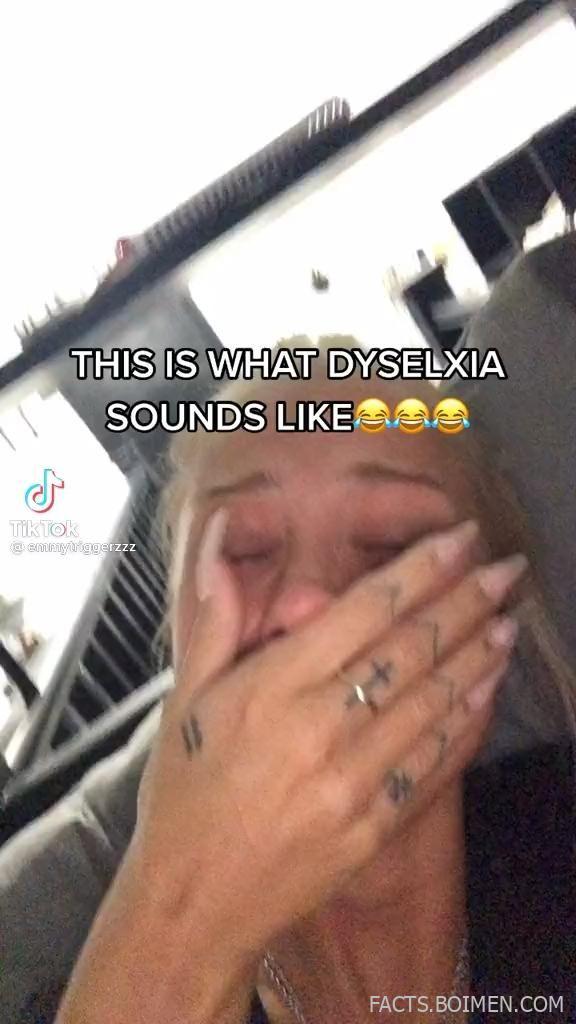
If you have ever watched someone read aloud and quietly wondered why certain words seem to trip them up while others flow perfectly, you are not alone. That is exactly the feeling behind the viral clip captioned “this is what dyslexia sounds like” — a short, funny, oddly eye-opening moment where a creator reads a sentence and the words twist in unexpected ways. It is not a joke at anyone’s expense; it is a window into how a dyslexic brain processes language. Below are 18 places to watch, learn, and laugh along with that experience, from TikTok creators to explainer channels to tools that make reading easier.
Table of Contents(Click to Toggle)
- Why These Dyslexia Videos Matter
- 18 Videos and Channels That Show What Dyslexia Sounds Like
- 1. Emmy Uggerzzz on TikTok
- 2. Made By Dyslexia on YouTube
- 3. TED-Ed Dyslexia Lessons
- 4. Understood.org
- 5. The Dyslexia Foundation
- 6. British Dyslexia Association
- 7. Nessy on YouTube
- 8. Dyslexia Canada
- 9. International Dyslexia Association
- 10. TikTok #DyslexiaHashtag
- 11. YouTube #Shorts Dyslexia Tag
- 12. Reddit r/Dyslexia
- 13. Speechify
- 14. OpenDyslexic Font
- 15. Learning Ally
- 16. Bookshare
- 17. Microsoft Immersive Reader
- 18. Google Read Along
- Bonus: Dyslexia Substack Writers
- Bonus: Dyslexia Podcasts
- Bonus: Instagram Dyslexia Accounts
- Bonus: Twitch Reading Streams
- Bonus: Dyslexia Discord Communities
- The Best-Kept Corners of the Dyslexia Internet
Why These Dyslexia Videos Matter
Dyslexia affects roughly one in five people, yet most of us only ever see it described in clinical terms. A short video does something a textbook cannot: it lets you hear the hesitation, the swapped letters, the sudden self-correction, and the humor people use to cope. That single viral clip worked because it was honest and funny at the same time. The channels and tools below take that same spark and either explain it, celebrate it, or quietly remove the friction from everyday reading. Whether you are dyslexic yourself, a parent, a teacher, or just curious, these are the corners of the internet worth bookmarking before everyone else finds them.
18 Videos and Channels That Show What Dyslexia Sounds Like
1. Emmy Uggerzzz on TikTok : The original “what dyslexia sounds like” clip
What it is: A TikTok creator whose short videos capture the real, funny, unpolished experience of reading with dyslexia.
Category: Social video / personal storytelling
Why it stands out: The format is simple — read a sentence, let the brain do its thing, laugh about it. That authenticity is why the clip spread so fast. It is not a lecture; it is a mirror.
Best for: Anyone who wants the honest, human version before diving into the science.
2. Made By Dyslexia on YouTube : Short films that reframe dyslexia as a strength
What it is: A global charity producing polished short films featuring dyslexic thinkers, entrepreneurs, and students.
Category: Advocacy / short documentary
Why it stands out: Their videos pair the struggle with the payoff — creative problem-solving, pattern recognition, big-picture thinking. Many run under five minutes, so they are easy to binge.
Best for: Parents and teachers who want a positive framing to share with kids.
3. TED-Ed Dyslexia Lessons : Animated explainers of how the dyslexic brain reads
What it is: Animated educational videos that break down the neuroscience of reading differences.
Category: Animated education
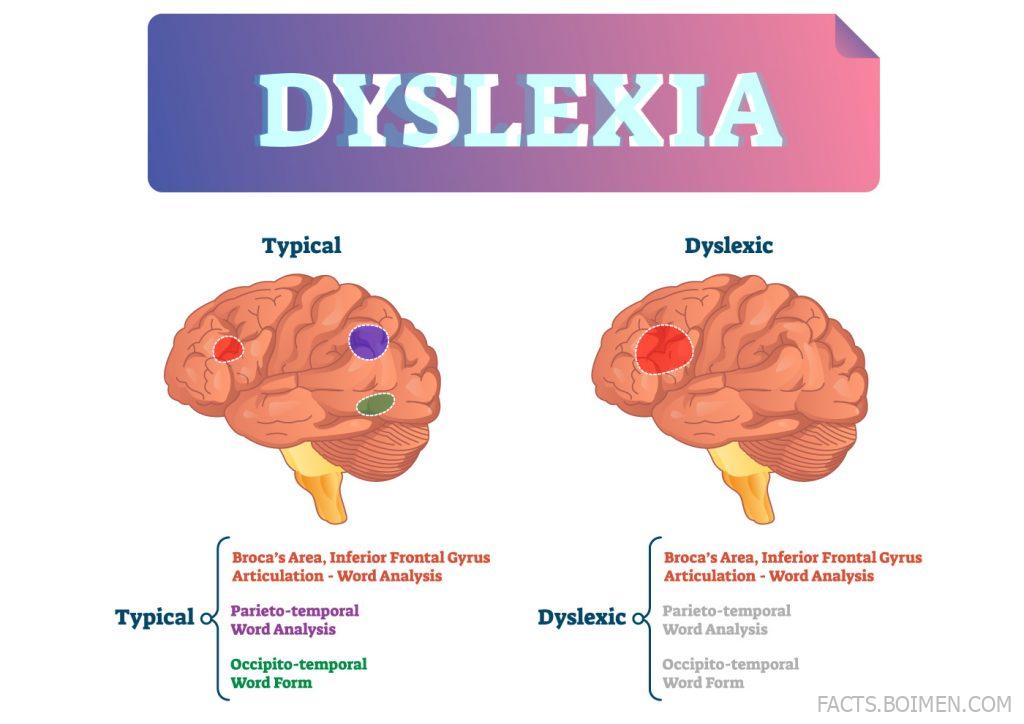
Why it stands out: The animation makes abstract ideas — phoneme mapping, neural pathways — visible. A great follow-up after you watch a funny clip and want the “why” behind it.
Best for: Visual learners and anyone who prefers explanation over anecdote.
4. Understood.org : Practical videos and guides for families
What it is: A nonprofit hub with articles, videos, and simulations about learning differences.
Category: Resource library
Why it stands out: Their reading simulations let you feel the slowdown and letter-swapping firsthand — the closest thing to the viral clip in interactive form. Everything is free.
Best for: Parents navigating school conversations and IEP meetings.
5. The Dyslexia Foundation : Research-backed talks and conference clips
What it is: A foundation connecting researchers, educators, and families through talks and published findings.
Category: Research / nonprofit
Why it stands out: If you want to go past TikTok, their recorded sessions feature scientists explaining reading acquisition in plain language. Dense but rewarding.
Best for: Educators and curious readers who want evidence, not just vibes.
6. British Dyslexia Association : Clear, friendly video explainers
What it is: The UK’s leading dyslexia charity, with a video library covering signs, support, and workplace tips.
Category: Charity / support
Why it stands out: Their content is calm and jargon-light, and they cover adults as well as children — a gap many resources ignore.
Best for: Adults who suspect they are dyslexic and want a starting point.
7. Nessy on YouTube : Catchy songs that teach phonics
What it is: A learning program whose YouTube channel is packed with short, musical phonics videos.
Category: Educational music
Why it stands out: The tunes are genuinely sticky, which is the point — repetition through melody helps lock in letter-sound patterns. Kids ask to watch them again.
Best for: Early readers and the grown-ups helping them practice.
8. Dyslexia Canada : Awareness campaigns and personal stories
What it is: A national charity sharing family stories and advocacy updates.
Category: Charity / storytelling
Why it stands out: Their story-driven videos feel like the viral clip’s calmer cousin — real people describing real moments, without exaggeration.
Best for: Readers who connect with personal narrative over instruction.
9. International Dyslexia Association : Fact sheets and recorded webinars
What it is: A long-running organization with structured fact sheets and webinar archives.
Category: Authority / reference
Why it stands out: When you need something citable — for a school meeting or a blog post — this is the place to grab a definition that will hold up.
Best for: Teachers, tutors, and advocates building a case.
10. TikTok #DyslexiaHashtag : An endless feed of first-person clips
What it is: The aggregated hashtag page where dyslexic creators post daily.
Category: Social discovery
Why it stands out: You get variety fast — comedy, frustration, tips, classroom moments. The algorithm quickly learns which angle you want more of.
Best for: Casual scrolling when you want volume over depth.
11. YouTube #Shorts Dyslexia Tag : Sixty-second explainers and reactions
What it is: A hashtag hub collecting short-form videos about dyslexia.
Category: Social discovery
Why it stands out: Shorts mix humor with quick teaching moments, so you can sample a dozen perspectives in ten minutes.
Best for: Viewers who want the TikTok energy without the app.
12. Reddit r/Dyslexia : The discussion layer behind the videos
What it is: An active subreddit where people ask questions, share wins, and vent.
Category: Community forum
Why it stands out: Videos are one-way; this is where the conversation continues. Threads on fonts, accommodations, and diagnosis experiences are refreshingly candid.
Best for: Anyone who wants answers to specific, practical questions.
13. Speechify : Turns any text into audio you can follow
What it is: A text-to-speech app that reads articles, PDFs, and emails aloud.
Category: Accessibility tool
Why it stands out: Hearing text while seeing it highlighted is a common workaround for dyslexic readers. The natural-sounding voices make long documents far less exhausting.
Best for: Students and professionals who read slowly or fatigue quickly.
14. OpenDyslexic Font : A free typeface designed for dyslexic readers
What it is: An open-source font with weighted letter bottoms to reduce flipping and swapping.
Category: Accessibility resource
Why it stands out: It is completely free and can be installed on most devices in minutes. Results vary by person, but for some readers the difference is immediate.
Best for: Anyone experimenting with reading comfort on screens.
15. Learning Ally : Human-narrated audiobooks for students
What it is: A library of audiobooks read by real people, built for learners who struggle with print.
Category: Audiobook service
Why it stands out: Human narration carries tone and pacing that synthetic voices often miss, and the catalog covers school texts as well as popular fiction.
Best for: Families working through required reading lists.
16. Bookshare : A massive accessible ebook library
What it is: A nonprofit offering accessible-format books to qualifying readers.
Category: Accessible library
Why it stands out: Hundreds of thousands of titles in audio, braille, and large-print formats. Membership has eligibility requirements, so check the criteria first.
Best for: Students with documented reading differences.
17. Microsoft Immersive Reader : Built-in reading support in everyday apps
What it is: A reading aid embedded in Word, Edge, and OneNote.
Category: Software feature
Why it stands out: It reads text aloud, breaks words into syllables, and adjusts spacing — all without installing anything new. If you already use Office, it is sitting there waiting.
Best for: Office users who want zero-friction accessibility.
18. Google Read Along : A friendly reading coach for beginners
What it is: A free web app where a virtual assistant listens and encourages young readers.
Category: Learning app
Why it stands out: It gives instant, gentle feedback without judgment, which matters enormously for kids who feel self-conscious reading aloud.
Best for: Early elementary readers practicing at home.
Bonus: Dyslexia Substack Writers : Personal essays from dyslexic adults
Search Substack for dyslexia and you will find thoughtful newsletters about diagnosis, work, and identity — slower and deeper than any video.
Bonus: Dyslexia Podcasts : Long-form conversations worth the commute
Several educators and advocates host interview shows covering teaching methods and lived experience. Ideal for listening while driving or cooking.
Bonus: Instagram Dyslexia Accounts : Visual tips in carousel form
Teachers and therapists post short slide decks on classroom accommodations and reading strategies — easy to save and revisit.
Bonus: Twitch Reading Streams : Live reading, real-time struggle and success
A small but growing group of streamers read books live, normalizing the pauses and corrections that polished audiobooks edit out.
Bonus: Dyslexia Discord Communities : Small servers with big support
Invite-only servers offer study rooms, accountability partners, and a place to ask the questions you would rather not post publicly.
The Best-Kept Corners of the Dyslexia Internet
What makes the original “this is what dyslexia sounds like” clip so shareable is that it replaces pity with recognition. The channels and tools above do the same thing in different formats: some make you laugh, some make you smarter, and some simply make reading less tiring. Start with the TikTok creator who sparked your curiosity, then branch into the explainers and accessibility tools that turn a funny moment into something genuinely useful. Most of these are free, none require a diagnosis to explore, and all of them are still flying under the mainstream radar. Which one are you trying first — and have you found a hidden gem of your own worth adding to the list?