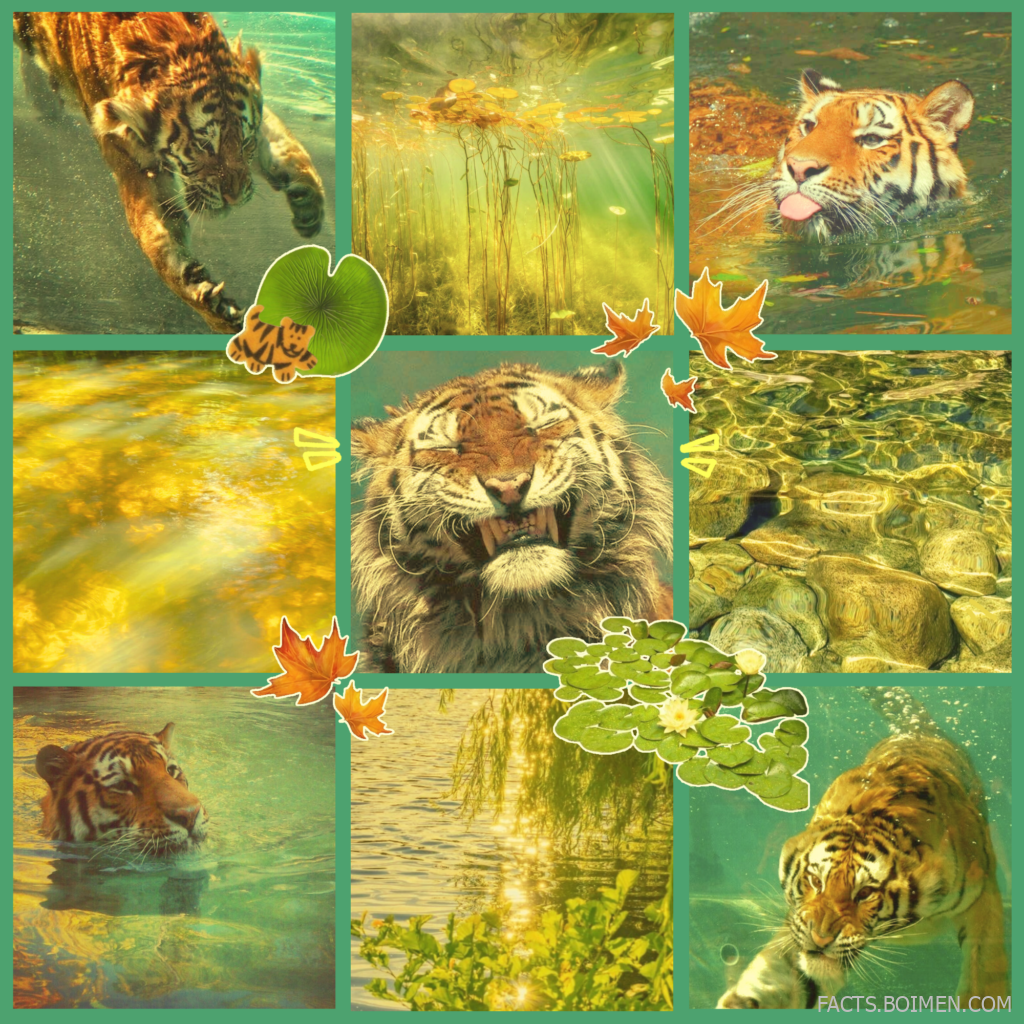
The tigerlily aesthetic is having a quiet renaissance. Somewhere between cottagecore softness and Y2K edge, a single orange-and-black bloom has become the visual shorthand for a very specific mood: warm, wild, a little bit dangerous, and endlessly photogenic. If you have been searching for free-to-use (F2U) resources to build a tigerlily moodboard that actually feels cohesive, this list is for you. Below are 18 genuinely useful websites and tools — from public-domain image archives to free color palettes, aesthetic fonts, and collage makers — that let you assemble a tigerlily-inspired board without spending a cent or breaking any licensing rules.
Table of Contents(Click to Toggle)
Why Tigerlily Moodboards Are Suddenly Everywhere
The tigerlily (Lilium lancifolium) is one of those rare natural objects that already looks designed. Its recurved orange petals, speckled with black, sit at the exact intersection of botanical illustration and graphic pop art. That makes it a dream subject for moodboards — but also a frustrating one, because most of the best tigerlily photography is locked behind stock licenses. The F2U (free-to-use) movement solves that: a growing ecosystem of public-domain archives, Creative Commons libraries, and browser-based design tools lets you build a professional-looking board without paying for a single asset. The trick is knowing which sites actually permit commercial and personal use, and which ones quietly bury restrictions in the fine print. Every resource below is either fully free-to-use, public domain, or has a generous free tier that covers moodboard work. Always double-check individual asset licenses before publishing, but these are the platforms worth starting with.
18 F2U Resources for Tigerlily Moodboards
1. Unsplash : The highest-quality free photo library for floral hero shots
What it is: A free stock photography platform with over 5 million images, all released under the Unsplash License (free for commercial and personal use, no attribution required).
Category: Stock photography
Why it stands out:
- Search “tiger lily” and you get genuinely editorial-grade macro shots, not the flat, over-lit stuff you find on older stock sites.
- Its API is free for developers, so you can pull tigerlily images directly into a moodboard app you build yourself.
- Download sizes go up to full resolution, which matters when you want one bloom to fill an entire board panel.
Best for: Finding a single striking tigerlily image to anchor the whole board.
2. Pexels : Free photos and video clips for motion moodboards
What it is: A free stock media site offering both photos and short video clips under the Pexels License.
Category: Stock photography and video
Why it stands out:
- The video library is the underrated part — a looping clip of petals moving in wind makes a static moodboard feel alive.
- Its “similar images” feature is unusually good for building a consistent color story around orange and black.
- Everything is licensed for commercial use, so boards you turn into prints or social posts stay safe.
Best for: Adding one moving element to an otherwise still board.
3. Pixabay : The deepest archive of free botanical illustrations
What it is: A long-running free media library with over 4 million assets, including vintage botanical prints and vector graphics.
Category: Stock photos, vectors, and illustrations
Why it stands out:
- Its illustration category contains scanned 19th-century lily plates that pair beautifully with modern photography.
- Vector files (SVG and EPS) can be recolored to match your exact palette, unlike flat JPEGs.
- Content is released under the Pixabay License, which permits commercial use with no attribution.
Best for: Mixing vintage scientific illustration with contemporary photos.
4. Coolors : Generate a tigerlily palette in seconds
What it is: A browser-based color palette generator with a free tier that covers most moodboard needs.
Category: Color tool
Why it stands out:
- You can upload a tigerlily photo and it extracts a five-color palette automatically — usually burnt orange, cream, charcoal, and two surprise accents.
- The “contrast checker” tells you instantly whether your text will be readable over your board background.
- Palettes export as PNG, SVG, or CSS, so the same color story carries into a website or print piece.
Best for: Locking down a cohesive orange-and-black color scheme before you start placing images.
5. Canva : The fastest way to assemble a finished board
What it is: A drag-and-drop design platform with a free plan that includes thousands of templates, elements, and fonts.
Category: Design and collage tool
Why it stands out:
- Its “Mood Boards” template category is purpose-built, with grids that already handle spacing so you do not have to.
- You can upload your own F2U images and combine them with free Canva elements in one canvas.
- The free background remover (limited monthly uses) is enough to isolate a single tigerlily bloom for a cutout panel.
Best for: Beginners who want a polished board without learning design software.
6. Google Fonts : Free typography that matches the aesthetic
What it is: An open-source font library with over 1,500 families, all free for commercial use.
Category: Typography
Why it stands out:
- Pair a high-contrast serif like Playfair Display with a clean sans like Inter for that editorial-botanical look.
- Every font is open source, so you can embed it in a website or print project without licensing worries.
- The “pairings” suggestions save you from the classic mistake of using two fonts that fight each other.
Best for: Adding quote text or captions to your board that feel intentional, not default.
7. The Met Open Access : Museum-grade botanical art, free to use
What it is: The Metropolitan Museum of Art’s open-access collection, offering high-resolution images of public-domain works.
Category: Public-domain art archive
Why it stands out:
- Its collection includes Japanese woodblock prints and Dutch botanical studies where lilies appear as recurring motifs.
- Images download at full resolution under a CC0 license — no attribution, no restrictions.
- Searching by “lily” surfaces pieces you would never find on a stock site, giving your board real art-historical depth.
Best for: Adding a single museum-quality artwork as the board’s centerpiece.
8. Rawpixel : Vintage public-domain images with a modern interface
What it is: A design resource site with a large public-domain and CC0 section alongside premium assets.
Category: Stock and public-domain design assets
Why it stands out:
- Its public-domain collection is curated by era and style, so you can find Victorian botanical plates in one click.
- Many images come pre-cut with transparent backgrounds, ready to drop onto a colored board panel.
- The free tier is genuinely usable; you only hit limits on the premium illustration packs.
Best for: Layering vintage florals behind modern type.
9. Openverse : Search every Creative Commons image at once
What it is: A WordPress-run search engine that indexes over 700 million openly licensed and public-domain works.
Category: CC search engine
Why it stands out:
- It searches across Flickr, Wikimedia, museums, and more in a single query, so you do not have to visit ten sites.
- Every result displays its exact license, which removes the guesswork about what you can legally use.
- Filters let you restrict results to CC0 or public domain only, the safest options for published boards.
Best for: One-stop searching when you need many images from many sources.
10. BeFunky : Browser photo editing with a real collage maker
What it is: An online photo editor and collage tool with a free tier that works entirely in the browser.
Category: Photo editor and collage maker
Why it stands out:
- Its collage wizard has a “mood board” layout category with irregular grids, not just rigid squares.
- You can apply a consistent color overlay to every image at once, which instantly unifies mismatched photos.
- No install required, and the free tier exports at a resolution high enough for social sharing.
Best for: Quickly unifying images from different sources into one look.
11. Photopea : A free Photoshop alternative in your browser
What it is: A web-based image editor that opens PSD files and supports layers, masks, and blend modes.
Category: Advanced image editor
Why it stands out:
- It handles layered moodboard files natively, so you can build a board with editable text and image layers.
- Supports blend modes like Multiply and Overlay, which is how you get that seamless vintage-collage effect.
- Completely free and ad-supported, with no account required to start editing.
Best for: Designers who want layer-level control without paying for Adobe.
12. Color Hunt : Hand-picked palettes for instant inspiration
What it is: A curated gallery of four-color palettes submitted and voted on by a design community.
Category: Color inspiration
Why it stands out:
- You can browse by “warm” or “retro” tags to find tigerlily-adjacent palettes without generating your own.
- Each palette shows hex codes on hover, so copying colors into Canva or Photopea takes seconds.
- Because palettes are human-curated, they tend to be more harmonious than algorithm-generated ones.
Best for: When you want a proven palette instead of building one from scratch.
13. Freepik : Free vectors and PSDs with attribution
What it is: A large design resource site offering free vectors, photos, and PSD files under a attribution-based license.
Category: Stock vectors and design assets
Why it stands out:
- Its vector lily illustrations can be recolored and scaled infinitely without quality loss.
- Free downloads require attribution, which is easy to add as a small credit line on your board.
- The PSD mockup files let you preview your board on posters, phone cases, or tote bags.
Best for: Getting scalable vector florals you can recolor to match your palette.
14. Vecteezy : Another deep well of free vector florals
What it is: A vector art marketplace with a substantial free section requiring attribution.
Category: Stock vectors
Why it stands out:
- Its “line art” category has delicate single-line lily drawings that suit minimal boards.
- Free files come in AI, EPS, and SVG formats, so they work in almost any design tool.
- The search filters let you sort by “free license” only, skipping paid results entirely.
Best for: Minimal, line-drawn floral elements that do not overpower a board.
15. Muzli Colors : Palette generator built for real projects
What it is: A free color palette tool from the design-inspiration platform Muzli.
Category: Color tool
Why it stands out:
- It previews your palette on actual UI mockups, which helps you judge whether the colors work beyond a moodboard.
- You can paste in a hex code and it generates complementary and analogous colors instantly.
- No sign-up required, and palettes can be copied as CSS variables for web projects.
Best for: Testing whether your tigerlily palette holds up in real design contexts.
16. Smithsonian Open Access : Millions of CC0 images from a national archive
What it is: The Smithsonian Institution’s open-access portal, offering millions of images and data under CC0.
Category: Public-domain archive
Why it stands out:
- Its natural-history collections include botanical specimens, field sketches, and archival photographs of lilies.
- Everything is CC0, meaning no attribution and no restrictions on commercial use.
- The search interface lets you filter by “CC0” and “images” so you never accidentally grab a restricted item.
Best for: Adding a scientific or archival layer to an otherwise aesthetic board.
17. Remove.bg : One-click background removal for cutout panels
What it is: An AI-powered tool that removes image backgrounds automatically in seconds.
Category: Image utility
Why it stands out:
- It handles complex edges like petal tips and stamens better than most manual selection tools.
- The free tier gives you unlimited low-resolution cutouts, which is plenty for a moodboard panel.
- Works on any tigerlily photo you have already sourced, turning it into a transparent PNG for layering.
Best for: Isolating a single bloom to layer over a colored or textured background.
18. Milanote : A dedicated moodboard canvas built for visual thinking
What it is: A visual organization tool designed specifically for moodboards, with a free plan allowing unlimited boards.
Category: Moodboard and visual planning tool
Why it stands out:
- You can drag images, text, links, and color swatches onto an infinite canvas and arrange them freely.
- Its browser extension lets you save tigerlily images from any site directly onto a board.
- The free plan includes 100 notes and unlimited boards, which is more than enough for personal projects.
Best for: Collecting and arranging assets over time rather than building one static image.
Bonus Mentions
Flickr Commons : Historical photography from the world’s archives
What it is: A Flickr program that publishes publicly held photography with no known copyright restrictions.
Category: Public-domain photo archive
Why it stands out:
- Its botanical and garden photography from the early 1900s has a grainy, nostalgic texture that modern stock lacks.
- Institutions like Kew Gardens and national libraries contribute, so the quality is archival-grade.
Best for: Adding an aged, film-grain layer to a modern board.
WikiArt : A visual encyclopedia of art history
What it is: An online collection of paintings and artworks from thousands of artists across eras.
Category: Art archive
Why it stands out:
- Its search lets you find lily paintings by movement, so you can pull Impressionist or Art Nouveau florals in seconds.
- Many works are public domain, though you should verify each piece’s status before publishing.
Best for: Finding painted florals that match a specific art-historical mood.
GIMP : Free desktop editing for serious board work
What it is: A free, open-source image editor available for Windows, macOS, and Linux.
Category: Desktop image editor
Why it stands out:
- It supports layers, masks, and scripting, so you can build reusable moodboard templates.
- No subscription and no ads — it is genuinely free software maintained by a volunteer community.
Best for: Users who want desktop-level control without paying for Photoshop.
Pexels Videos : Free looping clips for animated boards
What it is: The video section of Pexels, offering free stock footage under the same license as its photos.
Category: Stock video
Why it stands out:
- Short clips of flowers moving in wind can be layered under static images for a subtle animated effect.
- All clips are free for commercial use, so animated boards remain publishable.
Best for: Turning a static moodboard into a short looping video for social media.
Photopea Templates : Community-made starting points
What it is: A collection of user-shared PSD templates that open directly in Photopea.
Category: Design templates
Why it stands out:
- Some templates are built specifically for collage and moodboard layouts, saving hours of grid-building.
- Because they open in a free browser tool, you can edit them without owning any paid software.
Best for: Skipping the layout phase and starting from a proven structure.
The Internet’s Best-Kept Moodboard Secrets
The tigerlily aesthetic works because it is specific. Orange and black, wild and cultivated, botanical and graphic — it gives a moodboard a point of view instead of a pile of pretty pictures. The 18 resources above cover every stage of the process: sourcing public-domain imagery, extracting a palette, cutting out blooms, choosing type, and assembling everything into a finished board. None of them require a subscription, and most require nothing more than a browser tab. Start with Unsplash or Openverse for imagery, lock your colors in Coolors, and build the final composition in Canva or Milanote. The result will look curated because it actually is. What is the one F2U site you always return to when building a board? Share it in the comments — the best finds usually come from other people’s bookmarks.