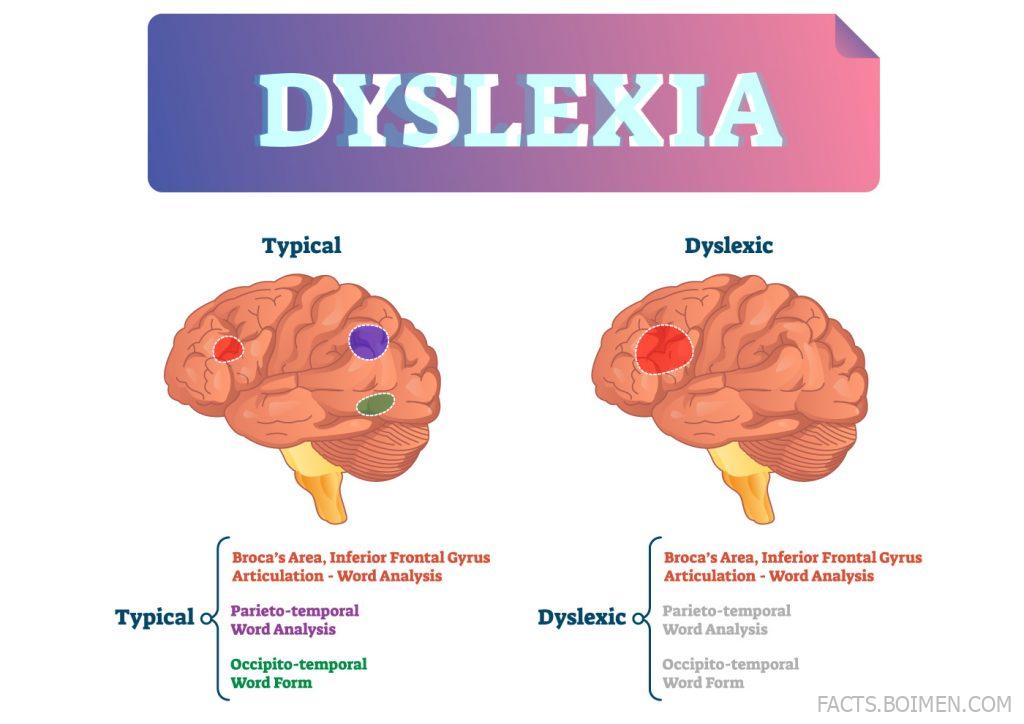
You clicked because you want to feel it — not just read about it. Dyslexia affects how the brain processes written words, and for those without it, the experience is hard to imagine. But a handful of clever websites let you step into that world for a few seconds. They simulate the visual distortions, letter swaps, and reading fatigue that dyslexic readers face daily. Some are serious awareness tools, others are playful experiments, and a few are practical utilities that make reading easier for those who live with it. Here are 19 sites that show you the reality of dyslexia — and some that help you escape it.
Table of Contents(Click to Toggle)
- Why You Need to See Dyslexia, Not Just Hear About It
- 1. Dsxyliea : A Poignant Simulation of Reading with Dyslexia
- 2. Victor Widell’s Dyslexia Simulation : The Original Letter-Swapper
- 3. Dyslexia the Gift : A Comprehensive Resource Hub
- 4. Reading Rockets : Classroom-Focused Dyslexia Insights
- 5. Understood.org : Practical Support for Dyslexic Thinkers
- 6. Dyslexia.com : In-Depth Articles and Personal Stories
- 7. Dyslexia Help : A University-Backed Learning Tool
- 8. OpenDyslexic : A Font Built for Easier Reading
- 9. Dyslexie Font : The Original Dyslexia-Friendly Typeface
- 10. BeeLine Reader : Color Gradients That Guide Your Eyes
- 11. Ghotit Real Writer : An Assistive Writing Tool
- 12. NaturalReader : Text-to-Speech That Reads Aloud
- 13. Speechify : Turn Any Text into Audio Instantly
- 14. Dyslexia Quest : An Engaging Game for Young Learners
- 15. Nessy : Structured Literacy Programs for Kids
- 16. Learning Ally : Audiobooks for Dyslexic Students
- 17. Bookshare : Accessible Ebooks for Reading Disabilities
- 18. Dyslexia Canada : Advocacy and Community Support
- 19. Made by Dyslexia : A Movement Redefining the Condition
- Bonus Mentions
Why You Need to See Dyslexia, Not Just Hear About It
Dyslexia is often explained in statistics — 1 in 5 people, a neurological difference, a processing issue. But numbers don’t convey the frustration of words that seem to dance on the page or letters that swap places mid-sentence. The websites below change that. They offer simulations that give you a visceral sense of the struggle, and they also point you toward tools that genuinely help. Whether you’re a curious reader, a teacher, or someone who suspects they might be dyslexic, these resources open a door. Some will make you pause in empathy; others will make you grateful for the ingenuity of assistive tech.
1. Dsxyliea : A Poignant Simulation of Reading with Dyslexia
What it is: A web page that recreates the experience of dyslexia by scrambling letters within words as you read, based on a real dyslexic person’s description.
Category: Simulation
Why it stands out: The letters shift in real time, making you feel the frustration of trying to decode text that won’t stay still. It’s the closest you’ll get to understanding the cognitive load dyslexic readers handle daily.
Best for: Anyone who wants a quick, eye-opening glimpse into the dyslexic reading experience.
2. Victor Widell’s Dyslexia Simulation : The Original Letter-Swapper
What it is: A simple JavaScript-based page that swaps letters in words, mimicking a common dyslexic symptom where letters appear transposed.
Category: Simulation
Why it stands out: This is the earlier version of the Dsxyliea concept, and it’s a bit more subtle — the letters swap only occasionally, showing that dyslexia isn’t always constant chaos.
Best for: Those who want to compare different simulation styles and see the variability of the condition.
3. Dyslexia the Gift : A Comprehensive Resource Hub
What it is: A long-running site by Davis Dyslexia Association International, offering articles, FAQs, and personal stories about dyslexia.
Category: Education & Support
Why it stands out: It frames dyslexia as a “gift” — a different way of thinking that brings creativity and problem-solving strengths, not just challenges.
Best for: Parents and adults seeking a strengths-based perspective on dyslexia.
4. Reading Rockets : Classroom-Focused Dyslexia Insights
What it is: A national public media literacy initiative with a dedicated section on dyslexia, including videos, teaching strategies, and research.
Category: Educational Resource
Why it stands out: It provides evidence-based classroom interventions and interviews with experts, making it a go-to for educators.
Best for: Teachers and tutors who want practical, research-backed methods to support dyslexic students.
5. Understood.org : Practical Support for Dyslexic Thinkers
What it is: A nonprofit resource offering personalized recommendations, articles, and tools for people with learning differences, including dyslexia.
Category: Support & Advocacy
Why it stands out: Its “Through Your Child’s Eyes” tool lets you simulate learning challenges, including dyslexia, from a parent’s perspective.
Best for: Families navigating school accommodations and daily life with dyslexia.
6. Dyslexia.com : In-Depth Articles and Personal Stories
What it is: The main website of the Davis Dyslexia Association, filled with testimonials, explanatory videos, and a blog.
Category: Information Hub
Why it stands out: It goes beyond basics, exploring topics like visual-spatial thinking and the emotional aspects of dyslexia.
Best for: Adults who want to deeply understand the cognitive profile of dyslexia.
7. Dyslexia Help : A University-Backed Learning Tool
What it is: A University of Michigan project offering expert advice, resources, and a directory of specialists.
Category: Academic Resource
Why it stands out: It features a “Success Stories” section and a wealth of research summaries, making it a trustworthy academic source.
Best for: Students and professionals looking for credible, university-vetted information.
8. OpenDyslexic : A Font Built for Easier Reading
What it is: A free, open-source font designed to reduce common reading errors by giving letters a heavier bottom weight.
Category: Assistive Technology
Why it stands out: The font’s unique shape helps prevent letter reversal and crowding, and it’s available for free download and use on many platforms.
Best for: Anyone who wants to try a dyslexia-friendly font in their browser or documents.
9. Dyslexie Font : The Original Dyslexia-Friendly Typeface
What it is: A commercial font created by a dyslexic designer, Christian Boer, to make reading easier for people with dyslexia.
Category: Assistive Technology
Why it stands out: It’s been widely tested and is available as a browser extension, app, and for use in word processors.
Best for: Those who want a polished, well-supported font with a proven track record.
10. BeeLine Reader : Color Gradients That Guide Your Eyes
What it is: A reading tool that uses color gradients at the end of each line to help your eyes transition smoothly to the next line.
Category: Reading Aid
Why it stands out: It reduces visual stress and improves reading speed and comprehension, especially for those with dyslexia and ADHD.
Best for: Readers who struggle with losing their place or skipping lines.
11. Ghotit Real Writer : An Assistive Writing Tool
What it is: A writing and proofreading software specifically designed for people with dyslexia and dysgraphia.
Category: Assistive Software
Why it stands out: It offers context-sensitive spell checking, word prediction, and text-to-speech, going beyond standard spellcheckers.
Best for: Dyslexic writers who need intelligent correction that understands their unique errors.
12. NaturalReader : Text-to-Speech That Reads Aloud
What it is: A text-to-speech tool that converts any text into natural-sounding audio, available online and as an app.
Category: Assistive Technology
Why it stands out: It supports multiple languages and offers a free version, making it accessible for daily use.
Best for: Auditory learners and those who prefer to listen rather than read.
13. Speechify : Turn Any Text into Audio Instantly
What it is: A popular text-to-speech app that uses AI to create realistic voiceovers from any text, including photos of printed pages.
Category: Assistive Technology
Why it stands out: Its OCR feature lets you snap a picture of a book page and have it read aloud, which is a game-changer for students.
Best for: Busy students and professionals who want to multitask while reading.
14. Dyslexia Quest : An Engaging Game for Young Learners
What it is: A game-based assessment tool that tests working memory, phonological awareness, and other skills related to dyslexia.
Category: Assessment & Game
Why it stands out: It turns cognitive testing into an adventure, making it less intimidating for children.
Best for: Parents and educators looking for a playful way to identify strengths and weaknesses.
15. Nessy : Structured Literacy Programs for Kids
What it is: A comprehensive online program that teaches reading, spelling, and writing through games and structured lessons.
Category: Educational Program
Why it stands out: It follows the Orton-Gillingham approach and is used by schools worldwide.
Best for: Children aged 6-11 who need systematic phonics instruction.
16. Learning Ally : Audiobooks for Dyslexic Students
What it is: A nonprofit providing a vast library of human-narrated audiobooks, specifically for people with reading disabilities.
Category: Audiobook Service
Why it stands out: Its audiobooks are recorded by professional narrators and include textbooks, which is rare.
Best for: Students who need access to curriculum texts in audio format.
17. Bookshare : Accessible Ebooks for Reading Disabilities
What it is: An online library of accessible ebooks for individuals with print disabilities, including dyslexia.
Category: Ebook Library
Why it stands out: It offers over a million titles that can be read with text-to-speech, braille, or large print.
Best for: Those who need customizable reading formats.
18. Dyslexia Canada : Advocacy and Community Support
What it is: A national charity dedicated to ensuring every child with dyslexia can learn to read.
Category: Advocacy
Why it stands out: It offers parent support groups, webinars, and resources to advocate for better school policies.
Best for: Canadian families and anyone interested in systemic change.
19. Made by Dyslexia : A Movement Redefining the Condition
What it is: A global charity led by successful dyslexics like Richard Branson, aiming to change perceptions about dyslexia.
Category: Awareness & Community
Why it stands out: It provides free training modules and celebrates dyslexic thinking as a valuable skill in the workplace.
Best for: Employers and educators who want to harness dyslexic strengths.
Bonus Mentions
The Dyslexic Advantage : A Community Celebrating Dyslexic Strengths
This site offers articles, podcasts, and a community forum focused on the positive aspects of dyslexia, such as big-picture thinking and creativity.
British Dyslexia Association : Comprehensive UK-Based Resources
For those in the UK, this site provides local support, helplines, and a wealth of information on dyslexia in education and the workplace.
Helen Arkell Dyslexia Charity : Specialist Assessments and Training
This charity offers diagnostic assessments, tutoring, and professional training for those working with dyslexic individuals.
Dyslexia Australia : Local Support Down Under
Provides assessments, tutoring, and educational resources tailored to the Australian context.
Lexercise : Online Therapy for Dyslexia
Offers teletherapy and structured literacy programs for children, with progress tracking for parents.
The Internet’s Best-Kept Secrets for Understanding Dyslexia
From simulations that make you feel the struggle to fonts and tools that ease it, these 19 sites cover the full spectrum of dyslexia resources. Whether you’re seeking empathy, practical help, or a new perspective, you’ll find something that clicks. The key is to explore with an open mind — and maybe even share what you discover with someone who could benefit. Have you found a website that beautifully captures the dyslexic experience?