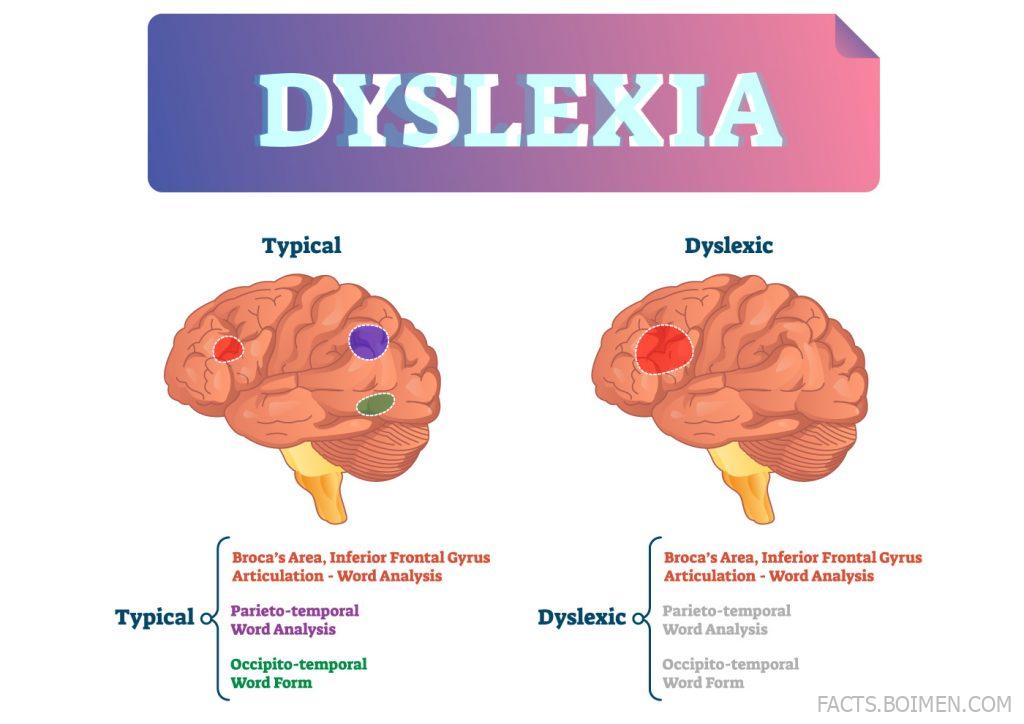
Ever wondered what it’s like to read with dyslexia? These 17 websites and tools simulate the experience, offering a window into a different way of processing text. Whether you’re a designer, educator, or just curious, these hidden gems will change how you think about reading.
Table of Contents(Click to Toggle)
- Why Understanding Dyslexia Matters
- 1. Victor Widell’s Dyslexia Simulator
- 2. Dyslexia Simulation by The British Dyslexia Association
- 3. WebAIM’s Dyslexia Simulation
- 4. Dyslexia the Game
- 5. Seeing Dyslexia from the Inside
- 6. Dyslexia Simulation by Understood.org
- 7. OpenDyslexic Font
- 8. Dyslexia Reader Chrome Extension
- 9. Ghotit Real Writer
- 10. Dyslexia Tool Kit
- 11. Learning Ally
- 12. Bookshare
- 13. Dyslexia Quest
- 14. Nessy
- 15. Dyslexia Help at the University of Michigan
- 16. Dyslexia International
- 17. Made by Dyslexia
- Bonus Mentions
- Conclusion: A New Perspective on Reading
Why Understanding Dyslexia Matters
Dyslexia affects 1 in 5 people, yet most of us have no idea what it actually feels like. Reading is so automatic for many that we take it for granted. These simulations and tools bridge that gap, offering a firsthand glimpse into the challenges and strengths of dyslexic thinking. By experiencing it yourself, you’ll gain empathy and insight that can inform design, education, and everyday communication.
1. Victor Widell’s Dyslexia Simulator : Experience the Letter Swaps
What it is: An interactive webpage that simulates the reading experience of a dyslexic person by swapping letters within words.
Category: Simulation
Why it stands out: It’s the most direct and realistic simulation you’ll find. The text becomes increasingly difficult to read as letters shift and jumble, giving you a visceral sense of the frustration and cognitive load.
Best for: Quick empathy-building demos for classrooms, workshops, or personal exploration.
2. Dyslexia Simulation by The British Dyslexia Association : Official Charity’s Interactive Tool
What it is: A simulation from one of the most reputable dyslexia organizations, offering a series of tasks that mimic reading difficulties.
Category: Simulation
Why it stands out: It includes timed reading exercises and visual distortions that show how letters can appear to move or blur. The BDA adds authoritative context about dyslexia.
Best for: Educators and parents seeking a credible resource to explain dyslexia to others.
3. WebAIM’s Dyslexia Simulation : Accessibility-Focused Perspective
What it is: A simulation from WebAIM, a leading web accessibility organization, that demonstrates how dyslexia affects online reading.
Category: Simulation / Accessibility
Why it stands out: It pairs the simulation with practical tips for making websites more dyslexia-friendly, such as using fonts like OpenDyslexic and proper spacing.
Best for: Web designers and developers looking to understand and improve accessibility.
4. Dyslexia the Game : A Gamified Simulation
What it is: A browser-based game that puts you in the shoes of a dyslexic student navigating school.
Category: Simulation / Game
Why it stands out: It turns the experience into an interactive story where you make choices and face challenges, making the emotional impact more powerful.
Best for: Teenagers and adults who prefer learning through gameplay.
5. Seeing Dyslexia from the Inside : A Visual Journey
What it is: An article from Inside Science that includes a visual simulation of reading with dyslexia.
Category: Article / Simulation
Why it stands out: It combines scientific explanation with a powerful animation that shows text distorting in real-time, helping you understand the neurological basis.
Best for: Science enthusiasts and those who want a deeper understanding.
6. Dyslexia Simulation by Understood.org : Parent-Friendly Resource
What it is: A simulation from Understood, a nonprofit dedicated to learning and attention issues.
Category: Simulation
Why it stands out: It provides a simple, clear simulation alongside practical advice for supporting children with dyslexia.
Best for: Parents and teachers looking for a gentle introduction.
7. OpenDyslexic Font : The Famous Dyslexia-Friendly Font
What it is: A free, open-source font designed to reduce reading errors for people with dyslexia.
Category: Tool / Font
Why it stands out: Its unique letter shapes, with heavier bottoms, are meant to prevent letter rotation and flipping. You can download it and use it on your own devices.
Best for: Creating dyslexia-friendly documents, websites, and apps.
8. Dyslexia Reader Chrome Extension : Read Any Website with Ease
What it is: A Chrome extension that reformats web pages to make them more readable for dyslexic users.
Category: Tool / Browser Extension
Why it stands out: It changes the font, increases letter spacing, and adds a reading guide, making any site more accessible.
Best for: Individuals with dyslexia who want to browse the web more comfortably.
9. Ghotit Real Writer : Advanced Writing Assistance
What it is: A writing and proofreading tool specifically designed for people with dyslexia and dysgraphia.
Category: Tool / Writing Aid
Why it stands out: Unlike standard spell checkers, it uses context-aware algorithms to catch errors that sound the same but are spelled differently, like “their” vs. “there.”
Best for: Students and professionals who need reliable writing support.
10. Dyslexia Tool Kit : A Suite of Practical Resources
What it is: A collection of tools, apps, and strategies curated by experts.
Category: Resource Hub
Why it stands out: It includes everything from text-to-speech apps to mind-mapping software, all reviewed and recommended.
Best for: Finding the right assistive technology for your specific needs.
11. Learning Ally : Audiobooks for Dyslexic Readers
What it is: A nonprofit providing a vast library of human-read audiobooks, especially for educational texts.
Category: Service / Audiobooks
Why it stands out: It offers textbooks and literature read by real humans, not robots, which is crucial for comprehension.
Best for: Students who need to access grade-level content despite reading challenges.
12. Bookshare : Accessible Books for All
What it is: An online library of accessible ebooks for people with print disabilities, including dyslexia.
Category: Service / Ebooks
Why it stands out: It offers over a million titles in formats like audio, braille, and large print, and it’s free for U.S. students.
Best for: Accessing any book in a format that works for you.
13. Dyslexia Quest : An Educational Game for Kids
What it is: An app that assesses working memory, phonological awareness, and other skills through fun games.
Category: Game / Assessment
Why it stands out: It’s designed by a dyslexia specialist and provides a profile of strengths and weaknesses, making it useful for parents and teachers.
Best for: Identifying areas of difficulty in a stress-free way.
14. Nessy : Comprehensive Learning Platform
What it is: A multi-sensory learning platform for children with dyslexia, covering reading, writing, and spelling.
Category: Educational Platform
Why it stands out: It uses games, videos, and worksheets to teach phonics in a way that engages dyslexic learners.
Best for: Structured literacy instruction at home or in school.
15. Dyslexia Help at the University of Michigan : Expert Advice and Resources
What it is: A comprehensive website from the University of Michigan’s dyslexia research center.
Category: Resource Hub / Information
Why it stands out: It offers in-depth articles, tool reviews, and even a free dyslexia simulation, all backed by academic research.
Best for: Reliable, research-based information.
16. Dyslexia International : Global Advocacy and Education
What it is: An international nonprofit that promotes dyslexia awareness and provides free online training for teachers.
Category: Nonprofit / Advocacy
Why it stands out: Their free e-learning modules are used by educators worldwide, making it a valuable resource for professional development.
Best for: Teachers seeking to better support dyslexic students.
17. Made by Dyslexia : Celebrating Dyslexic Thinking
What it is: A global movement led by successful dyslexics like Richard Branson, aimed at redefining dyslexia as a strength.
Category: Community / Advocacy
Why it stands out: It offers inspiring stories, resources for employers, and a positive perspective that focuses on the creative and problem-solving abilities of dyslexic individuals.
Best for: Shifting the narrative from disability to difference.
Bonus Mentions
Dyslexic.com : A One-Stop Shop for Assistive Technology
This UK-based retailer offers a curated selection of software and hardware specifically for dyslexia, with helpful buying guides.
Dyslexia Support : A Community of Parents and Educators
An online forum where you can ask questions, share experiences, and find emotional support from people who get it.
Reading Rockets : Reading Strategies for All Ages
While not dyslexia-specific, this site is a treasure trove of evidence-based reading strategies that benefit all struggling readers.
Conclusion: A New Perspective on Reading
These 17 sites and tools offer a glimpse into the dyslexic experience, whether through simulation or direct support. They remind us that reading isn’t a one-size-fits-all skill and that empathy can be built in just a few clicks. The next time you encounter a reading challenge, you’ll have a better understanding of what it might feel like for someone with dyslexia. Have you tried any of these simulations? What was your biggest surprise?