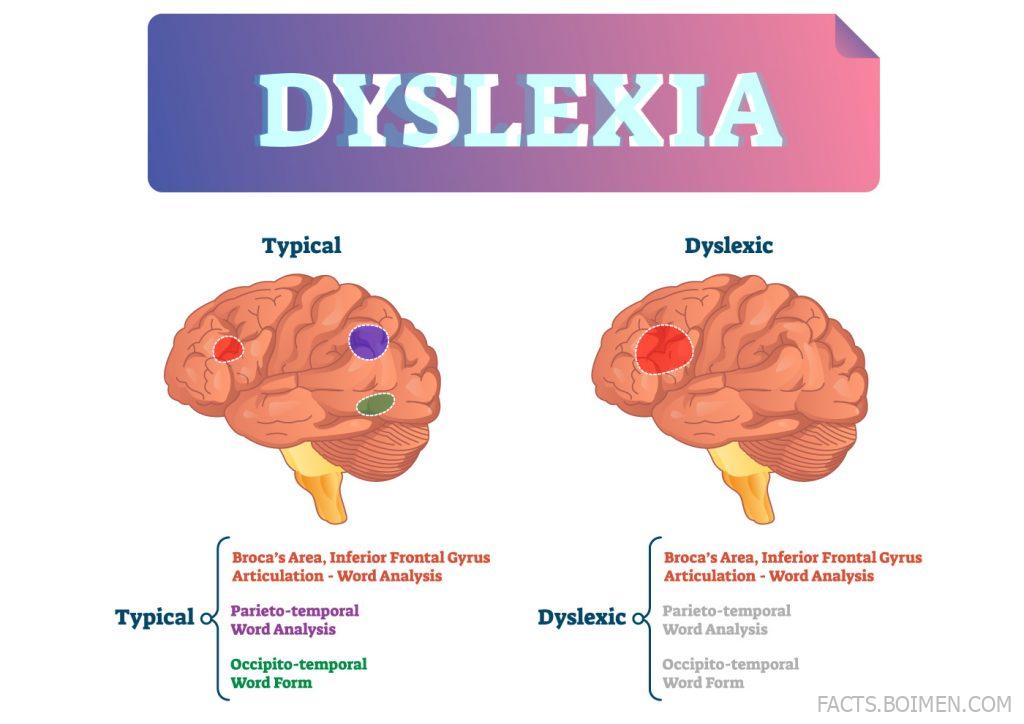
Dyslexia affects how the brain processes written language, making reading a frustrating and exhausting task for millions. But for those without dyslexia, it’s hard to truly understand what it feels like. That’s where simulation websites come in—they mimic the visual distortions, letter swapping, and tracking difficulties that dyslexic readers face every day. Whether you’re an educator, a designer, or just curious, these tools offer eye-opening insights. Here are 18 websites that show you what reading is like when you’re dyslexic, plus a few bonus tools for deeper understanding.
Table of Contents(Click to Toggle)
- Why Reading Simulations Matter
- 1. Victor Widell’s Dyslexia Simulation
- 2. Dyslexia the Gift’s Simulator
- 3. WebAIM’s Dyslexia Simulation
- 4. Understood’s Dyslexia Simulator
- 5. The Dyslexia Simulator by MyBrain
- 6. Dyslexia Simulation by Dyslexia UK
- 7. Readable’s Dyslexia Simulator
- 8. The Open University’s Dyslexia Simulator
- 9. Dyslexia Simulation by The Studying With Dyslexia Blog
- 10. The Dyslexia Experience (Simulation Game)
- 11. Dyslexia Simulation by Exceptional Individuals
- 12. The Dyslexia Simulator by Neurodiversity Media
- 13. Dyslexia Simulation by The Dyslexia Association
- 14. Dyslexia Simulation by The Reading Well
- 15. Dyslexia Simulation by The Learning Disabilities Association of America
- 16. Dyslexia Simulation by The British Dyslexia Association
- 17. Dyslexia Simulation by The Mayo Clinic
- 18. Dyslexia Simulation by The Yale Center for Dyslexia & Creativity
- Bonus Mentions
- The Power of Empathy Through Simulation
Why Reading Simulations Matter
Dyslexia is not about intelligence; it’s about how the brain processes symbols. Simulation websites let you experience the visual and cognitive challenges firsthand, fostering empathy and understanding. They are invaluable for teachers designing inclusive classrooms, developers creating accessible interfaces, and parents trying to connect with their children. By walking a mile in a dyslexic reader’s shoes, you can better appreciate the hidden hurdles and the need for supportive tools. Here are 18 websites that offer these eye-opening simulations.
1. Victor Widell’s Dyslexia Simulation : The Original Eye-Opener
What it is: A simple web page that simulates the letter swapping and jumbling that many dyslexic readers experience.
Category: Simulation
Why it stands out: This is the most widely shared dyslexia simulation on the internet. It uses JavaScript to dynamically alter the letters in a paragraph, making them appear to move and swap positions. It’s remarkably effective at conveying the frustration of trying to read text that constantly shifts.
Best for: A quick, visceral experience that takes less than a minute to understand.
2. Dyslexia the Gift’s Simulator : A Visual Toolkit
What it is: An interactive simulator that lets you adjust text size, spacing, and color to mimic different dyslexia symptoms.
Category: Simulation / Educational
Why it stands out: Unlike static examples, this tool lets you tweak the severity of the effect. You can make letters blur, dance, or appear to double, giving you a more personalized understanding of the variations in dyslexia.
Best for: Exploring the range of visual distortions that dyslexic individuals might encounter.
3. WebAIM’s Dyslexia Simulation : Accessibility-Focused
What it is: A simulation designed for web developers and designers, showing how text appears to dyslexic users.
Category: Accessibility / Design
Why it stands out: WebAIM is a leading authority on web accessibility. Their simulation not only shows the effect but also provides tips on how to make your website more dyslexia-friendly, such as using sans-serif fonts and adequate line spacing.
Best for: Developers and designers who want to create more inclusive digital experiences.
4. Understood’s Dyslexia Simulator : Parent-Friendly
What it is: A simulation that lets parents and teachers experience what a dyslexic child might see when reading a typical worksheet.
Category: Simulation / Educational
Why it stands out: Understood.org is a trusted resource for learning and attention issues. Their simulation includes a printable version, making it useful for parent-teacher meetings to illustrate the child’s daily struggle.
Best for: Parents and educators who need to explain dyslexia to others.
5. The Dyslexia Simulator by MyBrain : Interactive and Adjustable
What it is: An interactive simulator that lets you toggle different visual effects to see how they impact reading.
Category: Simulation
Why it stands out: MyBrain’s simulator allows you to turn on and off effects like letter rotation, mirroring, and shadowing. This helps you isolate specific symptoms and understand how each affects readability.
Best for: A hands-on, experimental approach to understanding dyslexia.
6. Dyslexia Simulation by Dyslexia UK : Realistic Text Distortion
What it is: A simulation that replicates the visual stress and letter blurring often associated with dyslexia.
Category: Simulation
Why it stands out: This simulator uses longer passages of text, giving you a more realistic sense of what reading a paragraph is like. It also includes a section on how to support dyslexic readers.
Best for: Experiencing the sustained effort required to read a full page.
7. Readable’s Dyslexia Simulator : Typography-Focused
What it is: A simulator that demonstrates how different fonts and text layouts can affect the readability for dyslexic individuals.
Category: Typography / Accessibility
Why it stands out: Readable’s tool lets you compare standard fonts with dyslexia-friendly fonts like OpenDyslexic in real-time. It’s an excellent way to see why font choice matters so much.
Best for: Anyone interested in typography and inclusive design.
8. The Open University’s Dyslexia Simulator : Academic Perspective
What it is: An interactive simulation developed by the Open University to help students and staff understand dyslexia.
Category: Educational
Why it stands out: This simulation is part of a broader training module, so it includes explanatory text alongside the simulation, making it a great learning tool for university settings.
Best for: Higher education students and faculty.
9. Dyslexia Simulation by The Studying With Dyslexia Blog : Personal and Raw
What it is: A simulation created by a blogger who has dyslexia, offering a personal perspective.
Category: Simulation / Personal
Why it stands out: Because it’s made by someone with firsthand experience, the simulation feels more authentic. The accompanying blog posts provide deep insights into the emotional side of dyslexia.
Best for: A personal, authentic glimpse into dyslexia.
10. The Dyslexia Experience (Simulation Game) : Gamified Empathy
What it is: An immersive simulation that puts you in the shoes of a dyslexic student navigating school.
Category: Simulation / Game
Why it stands out: This interactive experience goes beyond text distortion, simulating the anxiety and time pressure of reading tasks. It’s an innovative approach that builds empathy through storytelling.
Best for: Those who learn best through interactive narratives.
11. Dyslexia Simulation by Exceptional Individuals : Employment-Focused
What it is: A simulation that shows how dyslexia might affect reading in a workplace context.
Category: Simulation / Workplace
Why it stands out: Exceptional Individuals focuses on supporting neurodiverse people in employment. Their simulation uses work-related documents, making it relevant for HR professionals and managers.
Best for: Workplace training and awareness programs.
12. The Dyslexia Simulator by Neurodiversity Media : Visual and Auditory
What it is: A simulation that combines visual distortion with optional audio to mimic the experience of trying to read while also processing sound.
Category: Simulation / Multimedia
Why it stands out: This tool adds an auditory layer, which is unique. It helps you understand the cognitive overload that many dyslexic individuals face when reading in noisy environments.
Best for: Understanding the multi-sensory challenges of dyslexia.
13. Dyslexia Simulation by The Dyslexia Association : Comprehensive and Detailed
What it is: An in-depth simulation that includes a variety of text types, from simple sentences to complex paragraphs.
Category: Simulation / Educational
Why it stands out: The Dyslexia Association’s version allows you to choose different reading scenarios, such as a children’s book or a legal document, to see how dyslexia affects different types of content.
Best for: A thorough exploration of how dyslexia impacts various reading materials.
14. Dyslexia Simulation by The Reading Well : Classroom-Ready
What it is: A simulation designed for teachers to use in the classroom to help students understand their dyslexic peers.
Category: Educational
Why it stands out: It includes discussion questions and activities that teachers can use after the simulation to foster empathy and awareness among students.
Best for: Classroom activities and anti-bullying campaigns.
15. Dyslexia Simulation by The Learning Disabilities Association of America : Research-Based
What it is: A simulation based on scientific research into how dyslexia affects visual processing.
Category: Simulation / Research
Why it stands out: LDA America’s simulation is backed by studies and includes references, making it a credible resource for those seeking evidence-based information.
Best for: Students and researchers who want a scientifically grounded simulation.
16. Dyslexia Simulation by The British Dyslexia Association : Authoritative and Practical
What it is: A simulation that also offers practical tips for making documents more accessible.
Category: Simulation / Advocacy
Why it stands out: The British Dyslexia Association is a leading charity, and their simulation is accompanied by guidelines on dyslexia-friendly design, making it a two-in-one resource.
Best for: Professionals looking to create accessible content.
17. Dyslexia Simulation by The Mayo Clinic : Medical Authority
What it is: A simulation embedded in the Mayo Clinic’s health information page on dyslexia.
Category: Medical / Educational
Why it stands out: Being from a world-renowned medical institution, this simulation is trustworthy and is presented alongside expert medical explanations of dyslexia.
Best for: Individuals seeking reliable medical information.
18. Dyslexia Simulation by The Yale Center for Dyslexia & Creativity : Cutting-Edge Research
What it is: A simulation that reflects the latest research from one of the top dyslexia research centers in the world.
Category: Simulation / Research
Why it stands out: Yale’s simulation is not only accurate but also includes links to their extensive research library, making it a valuable resource for anyone wanting to dive deeper into the science of dyslexia.
Best for: Those who want to understand the neurological basis of dyslexia.
Bonus Mentions
OpenDyslexic : A Font That Helps
What it is: A free, open-source font designed to reduce common reading errors for dyslexic users.
Category: Accessibility Tool
Why it stands out: While not a simulation, this font is a practical solution that can make reading easier for many dyslexic individuals. You can use it on your own devices or websites to test its effect.
Best for: Trying a dyslexia-friendly font in your own reading.
Ghotit Real Writer : Writing Assistant
What it is: A context-aware spell checker and grammar checker designed specifically for dyslexic writers.
Category: Assistive Technology
Why it stands out: It offers word prediction and text-to-speech, helping dyslexic users write with confidence. It’s a valuable tool that complements the simulation experience.
Best for: Dyslexic individuals who need writing support.
NaturalReader : Text-to-Speech
What it is: A text-to-speech tool that reads any text aloud, allowing dyslexic users to listen instead of reading.
Category: Assistive Technology
Why it stands out: It supports multiple formats and languages, making it a versatile tool for accessing written content. It’s a practical alternative for those who struggle with visual reading.
Best for: Listening to documents, web pages, and e-books.
The Power of Empathy Through Simulation
These simulation websites do more than just show you distorted text—they open a window into the daily challenges faced by millions. Whether you’re an educator, a developer, or simply a curious mind, experiencing dyslexia firsthand can inspire you to create more inclusive spaces and support those who navigate the world differently. The next time you encounter a reading difficulty, remember that it might not be about intelligence, but about how the brain processes symbols. Have you tried any of these simulations? What other tools have helped you understand dyslexia? Share your thoughts in the comments below.