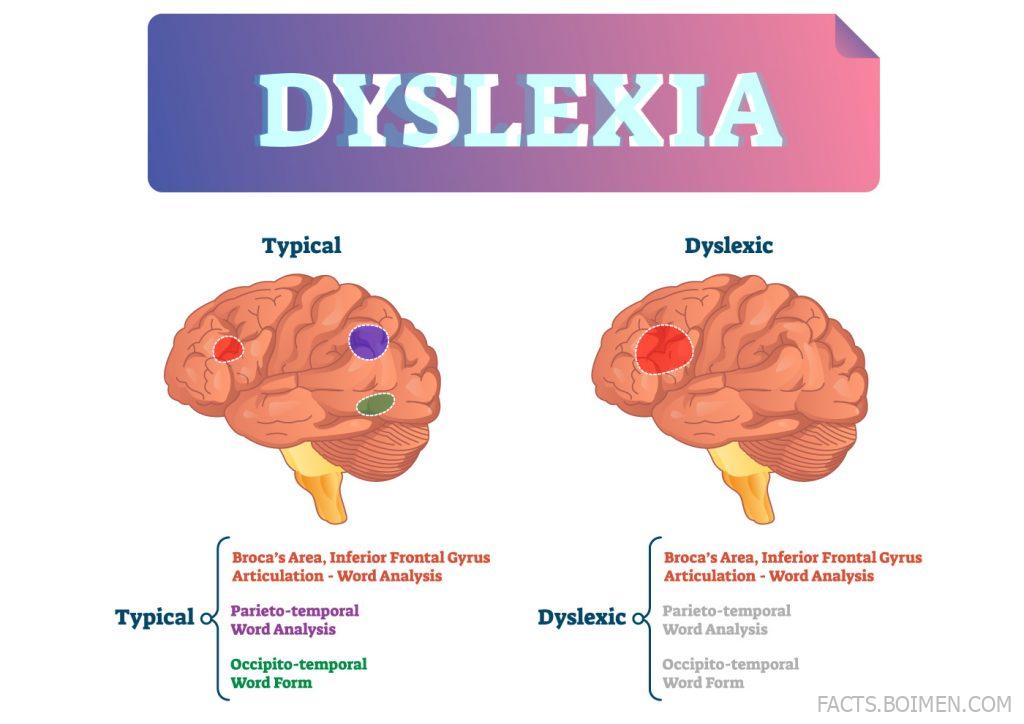

You clicked because the pin asked, “ARE YOU DESLIXIC?” Maybe you stumbled over that word just now, or maybe you read it perfectly and felt a flicker of curiosity. The truth is, dyslexia isn’t about seeing letters backward — it’s a complex brain-based difference that makes reading, spelling, and decoding a constant puzzle. But unless you live with it, it’s hard to truly grasp what it feels like. That’s where simulation websites come in. They let you step inside a dyslexic reader’s mind for a few minutes, turning static text into a swirling, jumping, reversing experience. This list isn’t a medical test — it’s a window. Some tools are playful, some are starkly realistic, and a few are genuinely useful for teachers, parents, and curious minds. So before you take any “test” too seriously, explore these 17 eye-opening sites and see if your brain recognizes the struggle.
Table of Contents(Click to Toggle)
- Why Dyslexia Simulations Matter More Than a Quiz
- 17 Websites That Simulate the Dyslexic Reading Experience
- 1. Victor Widell’s Dyslexia Simulation
- 2. Dyslexia the Gift’s Simulator
- 3. Dcode Dyslexia Simulator
- 4. WebAIM Dyslexia Simulation
- 5. Understood’s Through Your Child’s Eyes
- 6. The Dyslexia Association’s Simulation
- 7. Dyslexia Simulation from the University of Edinburgh
- 8. Fonts That Help: OpenDyslexic
- 9. Readable’s Dyslexia Font Tester
- 10. Dyslexia.com’s Reading Experience
- 11. The British Dyslexia Association’s Simulation
- 12. Dyslexia Simulation by the University of Michigan
- 13. The Visual Stress Simulator
- 14. Dyslexia Simulator App (Web Version)
- 15. The Reading Racer Game
- 16. Dyslexia Test by Learning Success
- 17. The Dyslexia Experience by Nessy
- Bonus Mentions: More Ways to Understand
- Your Turn: What Did You Discover?
Why Dyslexia Simulations Matter More Than a Quiz
Most online “dyslexia tests” are either oversimplified checklists or outright clickbait. They ask a few questions about reversing letters and then declare you “likely dyslexic” — which is about as accurate as a horoscope. That’s why the pin warned you not to take this seriously. But simulations are different. They don’t diagnose; they demonstrate. When you watch letters wobble, swap, and blur, you experience the cognitive load that dyslexic readers carry every day. That empathy is powerful. It helps parents understand why their child comes home exhausted, helps teachers design better materials, and helps adults realize that their own reading quirks might have a name. So instead of asking “Am I dyslexic?” — which only a professional can answer — ask “What does it feel like?” These 17 sites answer that question with creativity, science, and a little bit of fun.
17 Websites That Simulate the Dyslexic Reading Experience
1. Victor Widell’s Dyslexia Simulation : The Original Letter-Jumbling Experience
What it is: A simple web page that takes any text you type and scrambles the letters in a way that mimics the visual confusion of dyslexia.
Category: Interactive simulation
Why it stands out: This is the site that went viral years ago and is still the gold standard for quick demonstrations. You can paste your own paragraphs — even this article — and watch words transform into a jumbled mess where letters swap places, especially similar-looking ones like ‘b’ and ‘d’. It’s not a perfect replication, but it gives you a visceral sense of how exhausting reading can be.
Best for: Teachers who want a quick classroom demo, or anyone who just typed “ARE YOU DESLIXIC” and wants to see what that really looks like.
2. Dyslexia the Gift’s Simulator : A Short Story That Melts Into Confusion
What it is: A simulation that presents a short story with animated text effects that mimic common dyslexia symptoms.
Category: Animated simulation
Why it stands out: Unlike static jumbling, this one animates the text — letters seem to float, fade, and reorder as you try to read. It also includes a side-by-side comparison with normal text, making the contrast stark. The site explains that not all dyslexics see text this way; it’s just one possible experience.
Best for: Getting a quick, visceral understanding in under 30 seconds.
3. Dcode Dyslexia Simulator : A Realistic Reading Challenge
What it is: A simulator that lets you try to read a passage while letters continuously shift and mirror.
Category: Text-based simulation
Why it stands out: Dcode’s version is particularly frustrating — in a good way. It forces you to read aloud or silently while the text keeps changing, giving you a real taste of the cognitive effort required. It also offers a downloadable PDF version for workshops.
Best for: Team-building exercises or sensitivity training in workplaces and schools.
4. WebAIM Dyslexia Simulation : A Clean, Accessible Demo
What it is: A straightforward simulation that shows a paragraph of text with letters scrambled, along with an explanation of the specific symptoms being mimicked.
Category: Educational simulation
Why it stands out: WebAIM is a respected accessibility organization, so their simulation comes with a clear breakdown of what they’re simulating and why. It’s not flashy, but it’s accurate and paired with practical advice on how to make websites more readable for everyone.
Best for: Web designers and developers who want to understand accessibility needs.
5. Understood’s Through Your Child’s Eyes : See Reading Through a Kid’s Struggles
What it is: A series of interactive simulations covering not just dyslexia but also ADHD and other learning differences.
Category: Interactive experience
Why it stands out: This one goes beyond text jumbling. It simulates the entire experience of a child trying to read a worksheet, complete with distractions and visual noise. It also includes video testimonials from real kids and parents.
Best for: Parents who want to understand what their child goes through at school.
6. The Dyslexia Association’s Simulation : A UK Perspective on the Experience
What it is: A simulation that presents a series of sentences with increasing difficulty, mimicking visual distortions and tracking problems.
Category: Progressive simulation
Why it stands out: The Dyslexia Association (UK) adds a unique twist: it simulates not just letter swapping but also the sensation of lines merging and words blurring together. It’s a more intense experience than many others.
Best for: Those who want a more challenging test of their reading patience.
7. University of Edinburgh’s Dyslexia Simulation : An Academic’s Take on the Phenomenon
What it is: A research-backed simulation that demonstrates how text can appear to move and distort for some dyslexic readers.
Category: Academic simulation
Why it stands out: This one is linked to actual research and includes a detailed explanation of the visual stress theory. It’s less interactive but more informative, with citations and further reading.
Best for: Students and educators who want a scientific grounding.
8. OpenDyslexic : A Font That Makes Reading Easier
What it is: A free, open-source font designed to reduce reading errors for dyslexic users by weighting the bottoms of letters.
Category: Assistive tool
Why it stands out: While not a simulation, this font is the opposite — instead of making text harder, it makes it easier. You can download it and install it on your computer or phone. Many users report that it helps them read faster and with fewer mistakes.
Best for: Anyone who suspects they might have mild dyslexia and wants to test a practical solution.
9. Readable’s Dyslexia Font Tester : Compare Fonts Side by Side
What it is: A tool that lets you type text and then view it in standard fonts versus dyslexic-friendly fonts.
Category: Comparison tool
Why it stands out: This is a practical tool that shows you the difference a font can make. You can paste a paragraph and toggle between Arial, Times New Roman, and OpenDyslexic to see which feels more comfortable to read.
Best for: Writers and designers who want to choose accessible fonts for their content.
10. Dyslexia.com’s Reading Experience : An Interactive Symptom Demonstrator
What it is: A page that lets you choose different symptoms (like letter reversal, word skipping, or visual blur) and see them applied to sample text.
Category: Symptom-specific simulation
Why it stands out: This one is highly customizable. You can toggle each symptom on and off, which helps you understand that dyslexia isn’t one-size-fits-all.
Best for: People who want to isolate specific challenges and understand the variety of experiences.
11. British Dyslexia Association’s Simulation : A Parent-Friendly Walkthrough
What it is: A simulation designed specifically for parents, showing what a child might see when reading a typical homework assignment.
Category: Parent-focused simulation
Why it stands out: It uses realistic school materials — math problems, reading comprehension passages — and makes them jumble in real time. It also provides practical tips for helping your child at home.
Best for: Parents who want to move from confusion to action.
12. University of Michigan’s Dyslexia Simulation : A Comprehensive Classroom Tool
What it is: A simulation that includes both text distortion and a set of follow-up questions to reflect on your experience.
Category: Educational simulation
Why it stands out: This one is part of a larger resource hub from a leading research university. The simulation is accompanied by a debrief that helps you connect the experience to real-world teaching strategies.
Best for: Teacher training programs and college education courses.
13. The Visual Stress Simulator : See the Blur and Glare
What it is: A simulator focused on visual stress (also called Meares-Irlen syndrome), which often co-occurs with dyslexia and causes text to appear to shimmer or blur.
Category: Visual stress simulation
Why it stands out: This one is different because it mimics the physical discomfort — the glare, the moving lines — that some readers experience. It also shows how colored overlays can help.
Best for: Anyone who finds white backgrounds glaring or text seems to vibrate.
14. Dyslexia Simulator App (Web Version) : A Gamified Approach to Understanding
What it is: A web-based app that challenges you to read a series of words under increasing levels of distortion, then scores your “reading speed.”
Category: Gamified simulation
Why it stands out: It turns the experience into a game, which makes it engaging for teens and adults. You can see how your reading time doubles when the text gets jumbled, giving you a tangible metric.
Best for: Reluctant learners who need a nudge to engage.
15. Reading Rockets’ Dyslexia Simulation : A Narrative Simulation for Kids
What it is: A simulation that tells a short story while progressively making it harder to read, mimicking the fatigue that sets in after a few minutes of struggling.
Category: Narrative simulation
Why it stands out: Reading Rockets is a well-known literacy resource, and their simulation is unique because it focuses on the emotional aspect — the frustration and exhaustion. It’s a powerful empathy builder.
Best for: Siblings and classmates of dyslexic kids.
16. Learning Success’ Dyslexia Test : A Self-Reflection Tool, Not a Diagnosis
What it is: A screening questionnaire that asks about reading habits and visual experiences, then provides a score with a disclaimer that it’s not a medical diagnosis.
Category: Self-assessment
Why it stands out: This one is a middle ground — it’s not a simulation, but it gives you a structured way to think about your own reading patterns. It includes questions about how text appears to you, which can be eye-opening.
Best for: Adults who suspect they’ve been coping with undiagnosed dyslexia for years.
17. The Dyslexia Experience by Nessy : A Multimedia Journey
What it is: A rich simulation that combines text distortion with audio and visual distractions, mimicking the real-world chaos of trying to read in a busy classroom.
Category: Multimedia simulation
Why it stands out: Nessy, a company known for dyslexia-friendly educational games, has built a simulation that is both realistic and polished. It includes a short quiz at the end to reinforce what you’ve learned.
Best for: A comprehensive experience that takes about five minutes.
Bonus Mentions: More Ways to Understand
Dyslexic Advantage : Focusing on Strengths
What it is: A community and resource hub that reframes dyslexia as a different way of thinking, with unique strengths in creativity, problem-solving, and big-picture thinking.
Why it stands out: After exploring simulations, this site offers a refreshing counterpoint — not just the struggles but the advantages that many dyslexics possess.
Lexercise’s Free Dyslexia Test : For Parents Seeking Next Steps
What it is: A short screening test for children, followed by a recommendation to consult a professional if results suggest risk.
Why it stands out: It’s one of the more responsibly designed tests, with clear language about its limitations and a pathway to real help.
Simulation Video by the International Dyslexia Association : A Visual Walkthrough
What it is: A short video that simulates the reading experience while a narrator explains what’s happening.
Why it stands out: Perfect for sharing in presentations or with family members who prefer watching over reading.
Your Turn: What Did You Discover?
After spending a few minutes with these simulations, you might have a better sense of why “ARE YOU DESLIXIC?” is such a loaded question. The truth is, dyslexia exists on a spectrum, and only a professional evaluation can give you a definitive answer. But these tools do something invaluable: they build empathy and understanding. Whether you’re a parent, teacher, or just a curious reader, you now have a glimpse into a world where letters dance and words refuse to stay put. So, which simulation felt most intense to you? Did any of them make you rethink your own reading habits? Share your experience in the comments — and if you know another hidden gem that helps people understand learning differences, drop it below. Your discovery might be exactly what someone else needs to see.