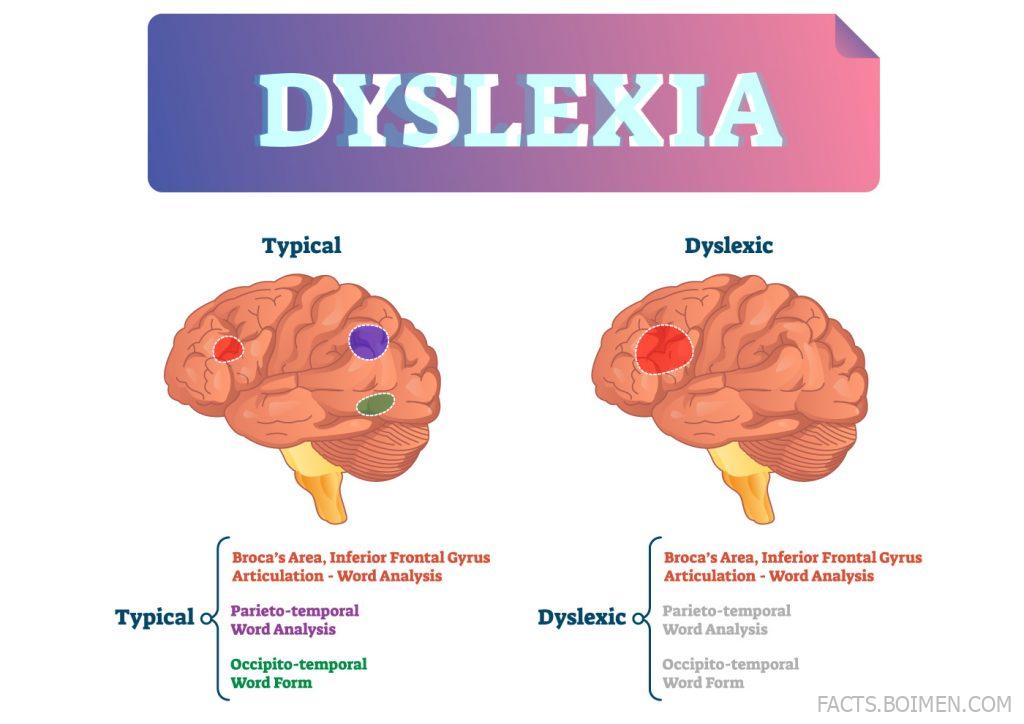
Dyslexia affects how the brain processes written language, making reading a frustrating puzzle for millions. But for those without it, truly understanding that experience is hard—until now. A wave of clever websites simulates the visual and cognitive distortions of dyslexia, offering a window into a different way of seeing words. Whether you’re a teacher, a designer, or just curious, these tools are eye-opening.
Table of Contents(Click to Toggle)
- Why Simulate Dyslexia?
- The 15 Best Dyslexia Simulators
- 1. Victor Widell’s Dyslexia Simulator
- 2. Dyslexia the Gift
- 3. WebAIM Dyslexia Simulation
- 4. British Dyslexia Association Simulator
- 5. Understood.org Simulation
- 6. Dyslexia Simulation by the University of Michigan
- 7. The Dyslexia Simulator App
- 8. Fonts That Simulate Dyslexia
- 9. Dyslexia Simulation in VR
- 10. Reading Racer Simulator
- 11. Dyslexia Simulation for Designers
- 12. The Dyslexia Experience
- 13. Dyslexia Simulation by the University of Edinburgh
- 14. Dyslexia Simulator for Chrome
- 15. Dyslexia Simulation on TikTok
- Bonus Mentions
- The Internet’s Best-Kept Secrets (So Far)
Why Simulate Dyslexia?
Dyslexia is more common than you think, affecting around 10% of the population. Yet it’s often misunderstood as simply seeing letters backwards. In reality, it involves a range of visual and phonological processing difficulties. Simulators help bridge the empathy gap, letting educators, developers, and friends grasp the daily challenges. They’re also powerful tools for designing more accessible websites and materials. Here are 15 websites that do exactly that.
The 15 Best Dyslexia Simulators
1. Victor Widell’s Dyslexia Simulator : See the Swirl
What it is: A simple web page that swaps letters within words to mimic the visual confusion of dyslexia.
Category: Web-based simulator
Why it stands out: It’s the most shared simulator online, offering a real-time demonstration that you can toggle on and off. The effect is startling—words seem to dance and shift.
Best for: Quick demonstrations in classrooms or presentations.
2. Dyslexia the Gift : A Comprehensive Resource Hub
What it is: A full-fledged website by Davis Dyslexia Association International, featuring a dedicated simulation page.
Category: Educational resource
Why it stands out: Beyond the simulation, it offers articles, FAQs, and support for dyslexic individuals. The simulator itself is customizable, letting you adjust the severity.
Best for: In-depth learning about dyslexia and its strengths.
3. WebAIM Dyslexia Simulation : Accessibility-Focused
What it is: A simulation from WebAIM, a leading web accessibility organization, designed to show how dyslexia affects reading online.
Category: Accessibility tool
Why it stands out: It’s part of a larger suite of disability simulators, and it includes a side-by-side comparison with the original text. WebAIM’s credibility makes it a trusted resource.
Best for: Web designers and developers aiming to create inclusive user experiences.
4. British Dyslexia Association Simulator : Official and Authoritative
What it is: The BDA’s official website includes a simulation that lets you experience reading with dyslexia.
Category: Charitable organization
Why it stands out: It’s from a leading UK charity, so the information is reliable. The simulation is embedded in a larger context of support and advocacy.
Best for: Those seeking an authoritative perspective and resources.
5. Understood.org Simulation : Parent-Friendly Approach
What it is: A simulation from Understood, a nonprofit for learning and attention issues, integrated into their resource library.
Category: Nonprofit resource
Why it stands out: It’s designed with parents in mind, offering not just the simulation but also practical tips for supporting children with dyslexia.
Best for: Parents and caregivers looking to understand their child’s experience.
6. Dyslexia Simulation by the University of Michigan : Academic Rigor
What it is: A simulation from the University of Michigan’s DyslexiaHelp website, backed by research.
Category: Academic resource
Why it stands out: It’s part of a comprehensive academic site that includes assessment tools and research summaries. The simulation is straightforward and effective.
Best for: Students and educators seeking evidence-based information.
7. The Dyslexia Simulator App : Mobile Experience
What it is: A dedicated app (available for iOS) that simulates dyslexia on your phone.
Category: Mobile app
Why it stands out: It’s portable and includes multiple modes, like simulating reading a book or a menu. It also has a built-in explanation of each symptom.
Best for: On-the-go demonstrations and personal exploration.
8. Fonts That Simulate Dyslexia : A Typographic Trick
What it is: Websites like Dyslexie Font offer a font designed to make reading easier for dyslexics, but you can also use it to simulate the experience by toggling it off.
Category: Typography tool
Why it stands out: It highlights how font design impacts readability. You can download the font and see the difference instantly.
Best for: Designers interested in accessible typography.
9. Dyslexia Simulation in VR : Immersive Reality
What it is: A virtual reality experience that simulates the visual distortions of dyslexia in a 3D environment.
Category: Virtual reality
Why it stands out: It’s the most immersive option, allowing you to walk through a simulated classroom or office. It’s a powerful empathy builder.
Best for: Training sessions and awareness campaigns.
10. Reading Racer Simulator : Gamified Learning
What it is: A game-like simulator that challenges you to read sentences while experiencing visual distortions.
Category: Interactive game
Why it stands out: It adds a competitive element, making it engaging for students. You can track your accuracy and speed.
Best for: Classroom activities and team-building.
11. Dyslexia Simulation for Designers : A Designer’s Toolkit
What it is: A website specifically for designers, offering a simulation plugin for Figma and Sketch.
Category: Design tool
Why it stands out: It integrates directly into design workflows, letting you preview your designs with dyslexia simulation in real time.
Best for: UX/UI designers who want to test their layouts.
12. The Dyslexia Experience : A Personal Journey
What it is: A narrative-driven simulation that guides you through a day in the life of a dyslexic student.
Category: Interactive story
Why it stands out: It combines simulation with storytelling, making it emotionally resonant. You make choices and see consequences.
Best for: Building empathy in educational settings.
13. Dyslexia Simulation by the University of Edinburgh : Research-Based
What it is: A simulation from the University of Edinburgh’s dyslexia research group.
Category: Academic resource
Why it stands out: It’s based on current research and includes a detailed explanation of the cognitive processes involved.
Best for: Those who want a scientific understanding.
14. Dyslexia Simulator for Chrome : Browser Extension
What it is: A Chrome extension that applies a dyslexia simulation filter to any webpage you visit.
Category: Browser extension
Why it stands out: It lets you experience the web as a dyslexic person would, making it a practical tool for web developers.
Best for: Testing websites in real-time.
15. Dyslexia Simulation on TikTok : Viral Awareness
What it is: A trend of short videos that simulate dyslexia using filters and text effects.
Category: Social media
Why it stands out: It’s a viral phenomenon that has reached millions, sparking conversations. Many creators add personal stories.
Best for: Quick, shareable awareness.
Bonus Mentions
Dyslexia Simulator Pro : Advanced Features
What it is: A premium simulator with adjustable parameters like letter spacing, font type, and background color.
Why it stands out: Offers granular control for precise demonstrations.
Dyslexia Community Forum : Real Stories
What it is: A forum where dyslexics share their experiences, often including descriptions of visual symptoms.
Why it stands out: Provides authentic firsthand accounts that complement simulations.
Reading Rockets : Educator Resources
What it is: A comprehensive site for teaching reading, including a section on dyslexia with simulation links.
Why it stands out: Curates the best simulations along with teaching strategies.
The Internet’s Best-Kept Secrets (So Far)
These simulators are more than just digital tricks—they’re empathy machines. Whether you’re a teacher designing a lesson, a developer building a website, or simply a curious mind, they offer a glimpse into a different way of experiencing the world. The next time you struggle to read a jumbled sentence, you’ll remember what it feels like for millions of people every day. Have you ever tried a dyslexia simulator? What did you learn? Share your thoughts below—we’d love to hear your own hidden gems.