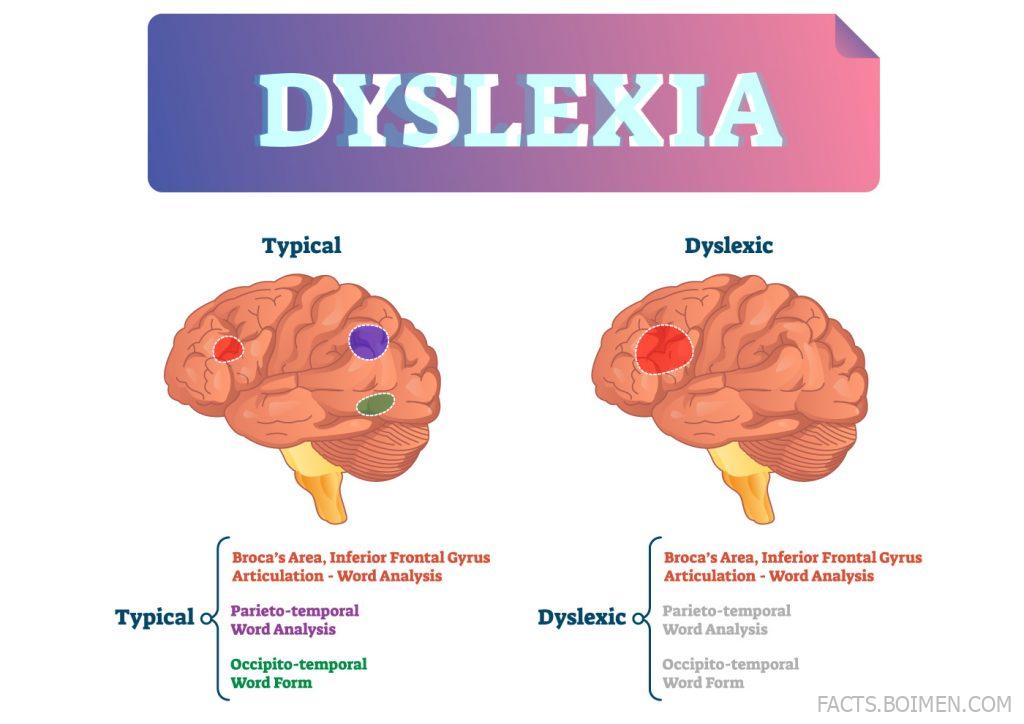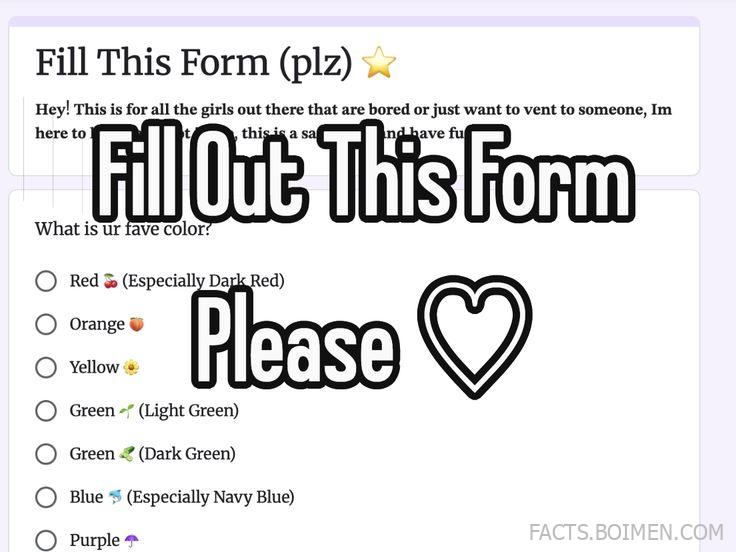
You’ve seen the viral pins and posts: a jumbled paragraph that makes you squint, a sentence that dances on the screen. But what if a website could actually put you inside the experience of dyslexia? Not just a static image, but an interactive simulation that makes your brain work differently for a few minutes. That’s exactly what the first site on this list does. And once you try it, you’ll want to explore the other hidden gems that reveal how reading, writing, and seeing the world can be a completely different adventure. Here are 18 websites that offer a window into the dyslexic experience—plus a few bonus tools for those who want to understand even more.
Table of Contents(Click to Toggle)
- Why You Must Explore These Hidden-Gem Websites
- 1. Victor Widell’s Dyslexia Simulator
- 2. Dyslexia the Game
- 3. Readable’s Dyslexia Simulator
- 4. OpenDyslexic Font
- 5. Dyslexia Simulation by Understood
- 6. Dyslexia.com’s Simulation
- 7. The Dyslexia Experience
- 8. Dyslexia Simulation by Learning Success
- 9. Dyslexia Help’s Simulation
- 10. Dyslexia Simulation by British Dyslexia Association
- 11. Dyslexia Simulation by Nessy
- 12. Dyslexia Simulation by Dyslexia Ireland
- 13. Dyslexia Simulation by Dyslexia Canada
- 14. Dyslexia Simulation by Dyslexia Foundation
- 15. Dyslexia Simulation by Dyslexia Action
- 16. Dyslexia Simulation by Dyslexia Institute
- 17. Dyslexia Simulation by Dyslexia Research
- 18. Dyslexia Simulation by Dyslexia Awareness
- Bonus Mentions
Why You Must Explore These Hidden-Gem Websites
Dyslexia affects about 1 in 5 people, yet most of us have no idea what it’s like to see letters that swap, dance, or blur. These simulations aren’t just educational—they’re empathy machines. They help parents understand their child’s struggles, teachers adapt their lessons, and coworkers build better communication. But beyond that, they’re fascinating. You’ll find yourself amazed at how the brain can flip, distort, and rearrange written language. Whether you’re a curious reader, a designer, or someone who wants to support a loved one, these tools offer a rare glimpse into a different way of thinking.
1. Victor Widell’s Dyslexia Simulator : Interactive Text That Mimics Letter Swaps
What it is: A simple but powerful web page that lets you type any text and watch it transform into a jumbled version that mimics the letter transpositions common in dyslexia.
Category: Interactive simulator
Why it stands out: It’s the exact site from the viral pin. You can type your own sentences and see how letters like ‘b’ and ‘d’ swap, or how ‘p’ and ‘q’ flip. The effect is startling because it uses your own words, making the experience personal and immediate.
Best for: Anyone who wants a quick, hands-on demonstration to share with friends or family.
2. Dyslexia the Game : A Gamified Simulation of Reading Struggles
What it is: A browser-based game that challenges you to read and respond to text that constantly shifts and distorts.
Category: Educational game
Why it stands out: Unlike static simulators, this game forces you to make decisions under pressure, replicating the cognitive load dyslexic readers often feel. It’s both frustrating and enlightening.
Best for: Students and educators who want an engaging way to build empathy.
3. Readable’s Dyslexia Simulator : Realistic Text Distortions in Multiple Styles
What it is: A tool that applies various visual distortions to sample paragraphs, including letter rotation, mirroring, and blurring.
Category: Simulator
Why it stands out: It offers several modes that mimic different types of dyslexia, such as phonological or surface dyslexia, giving a broader perspective.
Best for: Visual learners who want to compare different reading challenges.
4. OpenDyslexic Font : A Font Designed to Reduce Reading Errors
What it is: A free, open-source font with heavy-weighted bottoms to prevent letter flipping and swapping.
Category: Font
Why it stands out: It’s not a simulation but a real solution. Download it and use it in your own apps or documents to see how it feels to read with less visual confusion.
Best for: Designers and developers looking to make their products more accessible.
5. Dyslexia Simulation by Understood : A Short Video That Simulates Reading Difficulties
What it is: An interactive video that asks you to read a passage while words fade, blur, and move.
Category: Video simulation
Why it stands out: It includes a voiceover explaining what you’re experiencing, making it a powerful teaching tool for parents and teachers.
Best for: Group presentations or classroom discussions.
6. Dyslexia.com’s Simulation : A Classic Text Distortion Experience
What it is: A straightforward simulation that shows a paragraph with letters that flip and reverse as you read.
Category: Simulator
Why it stands out: It’s one of the oldest and most reliable simulations online, with a clear explanation of what’s happening.
Best for: Quick demonstrations without any distractions.
7. The Dyslexia Experience : A Multi-Sensory Simulation
What it is: A web experience that combines visual text distortion with audio cues that mimic the difficulty of processing sounds.
Category: Multi-sensory simulator
Why it stands out: It adds a layer of auditory processing challenges, giving a more holistic view of dyslexia.
Best for: Those who want to understand the auditory aspects of dyslexia.
8. Dyslexia Simulation by Learning Success : A Step-by-Step Interactive Exercise
What it is: A guided simulation that takes you through a series of reading tasks with increasing difficulty.
Category: Interactive tutorial
Why it stands out: It provides a before-and-after comparison, showing how the same text looks without and with dyslexia.
Best for: Teachers who want a structured activity for their students.
9. Dyslexia Help’s Simulation : A University-Backed Simulator with Real Text
What it is: A simulation created by the University of Michigan that uses actual passages from textbooks.
Category: Educational simulator
Why it stands out: It’s research-based and includes tips for supporting dyslexic students.
Best for: College students and educators in higher education.
10. Dyslexia Simulation by British Dyslexia Association : An Official Simulation from a Leading Charity
What it is: A simulation that shows how a child might see a page from a storybook.
Category: Charity resource
Why it stands out: It’s designed with a child’s perspective, making it relatable for parents.
Best for: Parents and guardians of young children.
11. Dyslexia Simulation by Nessy : A Fun, Animated Simulation
What it is: A playful simulation that uses cartoon-like text distortions to show the challenges.
Category: Animated simulator
Why it stands out: It’s kid-friendly and less intimidating, making it great for younger audiences.
Best for: Elementary school teachers and parents.
12. Dyslexia Simulation by Dyslexia Ireland : A Clear, No-Nonsense Simulation
What it is: A simple simulation that focuses on letter reversal and word distortion.
Category: Simulator
Why it stands out: It’s straightforward and easy to use, with a downloadable PDF for offline use.
Best for: Quick demonstrations and workshops.
13. Dyslexia Simulation by Dyslexia Canada : A Bilingual Simulation
What it is: A simulation available in English and French, showing text in both languages.
Category: Bilingual simulator
Why it stands out: It’s perfect for French-speaking communities and offers a unique perspective on language-specific challenges.
Best for: Bilingual families and schools.
14. Dyslexia Simulation by Dyslexia Foundation : A Simulation with a Focus on Visual Stress
What it is: A simulation that demonstrates how some dyslexic readers experience visual stress, such as moving letters and glare.
Category: Specialized simulator
Why it stands out: It includes a section on colored overlays and how they can help.
Best for: Those interested in visual processing issues.
15. Dyslexia Simulation by Dyslexia Action : A Simulation with Real-World Examples
What it is: A simulation that uses real-life scenarios like reading a menu or a road sign.
Category: Practical simulator
Why it stands out: It shows how dyslexia affects everyday tasks, making it relatable.
Best for: Workplace awareness training.
16. Dyslexia Simulation by Dyslexia Institute : A Comprehensive Simulation with Explanations
What it is: A detailed simulation that breaks down each type of distortion and explains the underlying cognitive process.
Category: Educational simulator
Why it stands out: It’s more than a simulation; it’s a mini-lesson on dyslexia.
Best for: Advanced learners and psychology students.
17. Dyslexia Simulation by Dyslexia Research : A Research-Grade Simulation
What it is: A simulation developed from academic research, with varying levels of severity.
Category: Research-based simulator
Why it stands out: You can adjust the level of distortion to see how mild vs. severe dyslexia might feel.
Best for: Researchers and clinicians.
18. Dyslexia Simulation by Dyslexia Awareness : A Community-Driven Simulation
What it is: A simulation that includes personal stories from people with dyslexia alongside the visual distortions.
Category: Story-driven simulator
Why it stands out: It combines empathy with education, showing the emotional side of reading struggles.
Best for: Building a deeper understanding of the dyslexic experience.
Bonus Mentions
Reading Rockets Simulation : A Teacher-Friendly Resource
What it is: A simulation from a well-known literacy site, with accompanying lesson plans.
Category: Educational resource
Why it stands out: It’s designed specifically for classroom use.
Best for: Teachers who want to integrate empathy into their curriculum.
Dyslexia Sim : A Mobile-Friendly Simulator
What it is: A responsive simulation that works well on phones and tablets.
Category: Mobile simulator
Why it stands out: It’s perfect for on-the-go demonstrations.
Best for: Parents who want to show their kids what it’s like.
Dyslexia Simulation Pro : A Premium Simulation with Advanced Features
What it is: A paid simulation that offers more customization, like adjusting letter spacing and line height.
Category: Premium tool
Why it stands out: It’s used by professionals and offers detailed reports.
Best for: Organizations conducting sensitivity training.
The Internet’s Best-Kept Secrets (So Far)
These simulations are more than just eye-opening—they’re conversation starters. They bridge the gap between understanding and empathy, making invisible struggles visible. Whether you’re a parent, teacher, or simply curious, exploring these tools can change how you view reading and learning. The next time you see a jumbled word, you’ll remember what it felt like to struggle through it. And that’s a powerful thing.
Which simulation surprised you the most? Have you found other websites that help people understand dyslexia? Share your favorites in the comments below!