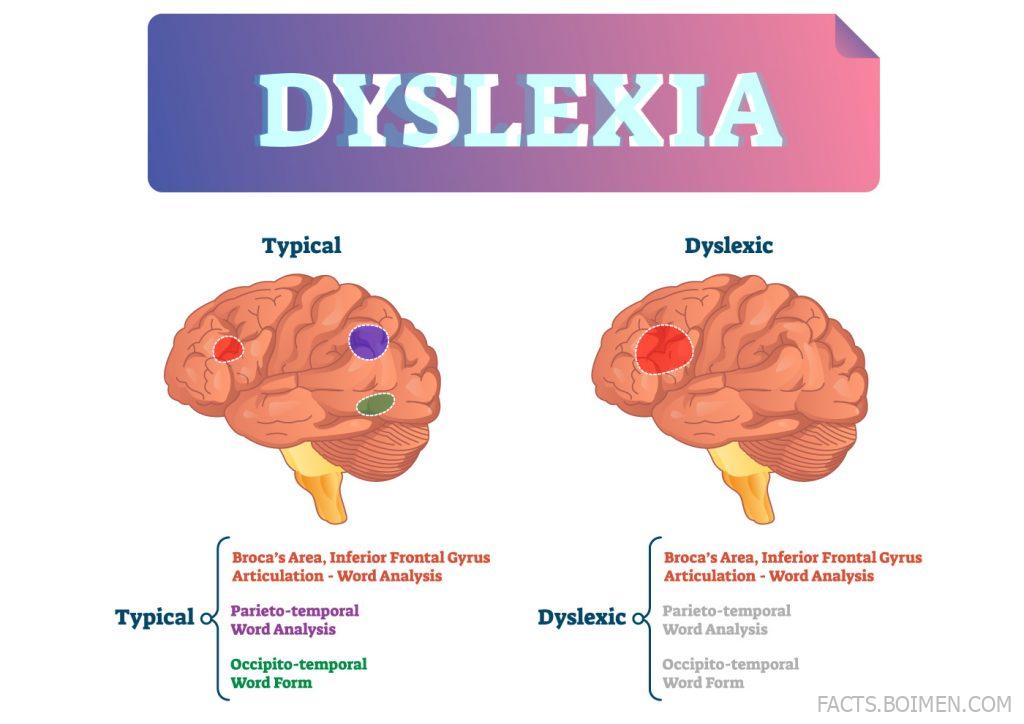
Dyslexia affects the way the brain processes written language, and for those who don’t have it, it’s hard to imagine what reading is like for someone who does. The tools below don’t just explain dyslexia—they let you experience it firsthand, simulate it, and even help dyslexic readers themselves. Each one is a hidden gem you probably haven’t heard of, but once you try them, you’ll never look at text the same way again.
Table of Contents(Click to Toggle)
- Why Experience Dyslexia Through Tools?
- 1. Victor Widell’s Dyslexia Simulator
- 2. OpenDyslexic Font
- 3. Dyslexia Simulation by Understood
- 4. Ghotit Real-Writer
- 5. DyslexiaHelp’s Reading Simulator
- 6. Beeline Reader
- 7. British Dyslexia Association’s Visual Stress Simulator
- 8. Dyslexia Test by Learning Success
- 9. Readable by Dyslexia Scotland
- 10. See Word by Google Fonts
- 11. Dyslexia Reader Chrome Extension
- 12. NaturalReader Text to Speech
- 13. Dyslexia Quest App
- 14. Eye-Q Reading Trainer
- 15. Dolch Sight Words Flashcards
- Bonus Mentions
- The Future of Dyslexia-Friendly Design
Why Experience Dyslexia Through Tools?
Understanding dyslexia isn’t just about empathy—it’s about better design, better teaching, and better technology. When you can feel the frustration of letters that jump, swap, or blur, you start to appreciate why certain fonts, colors, and layouts work better for millions of people. These 15 tools are the best low-key resources for that experience, whether you’re a teacher, a designer, a parent, or just a curious reader.
1. Victor Widell’s Dyslexia Simulator : See Text the Way a Dyslexic Reader Does
What it is: A simple web page that scrambles letters in a way that mimics the visual confusion of dyslexia.
Category: Simulation
Why it stands out: This is the exact tool that went viral a few years ago, and it’s still the most direct way to experience the ‘dancing letters’ effect. You paste any text, and it jumbles the internal letters while keeping the first and last letters in place—just like the pin image promised. It’s free, instant, and works on any device.
Best for: Getting that ‘aha’ moment in under a minute.
2. OpenDyslexic Font : A Font Designed to Reduce Letter Confusion
What it is: A free, open-source font with heavy weighted bottoms to prevent letter flipping and swapping.
Category: Font
Why it stands out: Unlike a simulator, this is a practical tool you can actually use. Install it on your browser or e-reader, and text becomes more readable for many dyslexic users. The unique design makes each letter’s shape more distinct, reducing the ‘b/d’ and ‘p/q’ confusion that’s common in dyslexia.
Best for: Dyslexic readers themselves, and designers who want to make their sites more accessible.
3. Dyslexia Simulation by Understood : Interactive Reading Challenges
What it is: A set of interactive exercises that simulate reading with dyslexia, including word jumbles and letter reversals.
Category: Simulation
Why it stands out: Understood.org is a reputable resource for learning and attention issues. Their simulation goes beyond static text—it forces you to read a passage with distractions and letter movements, then tests your comprehension. It’s a powerful teaching tool for classrooms.
Best for: Teachers and parents who want to build empathy in students.
4. Ghotit Real-Writer : Advanced Writing Assistant for Dyslexics
What it is: A writing and proofreading tool specifically designed for people with dyslexia and dysgraphia.
Category: Writing Tool
Why it stands out: It doesn’t just spell-check; it uses context-aware algorithms to correct the kind of phonetic and visual errors dyslexic writers make. It also offers word prediction and text-to-speech, making it a full writing suite. The free online version is surprisingly robust.
Best for: Dyslexic writers who need more than standard spellcheck.
5. DyslexiaHelp’s Reading Simulator : Academic-Grade Simulation
What it is: A simulation from the University of Michigan that shows how letters can appear to move, blur, or fade.
Category: Simulation
Why it stands out: This one is backed by academic research and includes multiple examples of different visual distortions. It’s more detailed than most simulators, showing not just letter swaps but also line jumping and visual stress. It’s a great resource for understanding the variability of dyslexia.
Best for: In-depth exploration and research-based learning.
6. Beeline Reader : Color-Gradient Text That Guides the Eye
What it is: A browser extension and app that adds a color gradient to text, helping the eye track from line to line.
Category: Reading Aid
Why it stands out: For many dyslexic readers, the hardest part is skipping lines. Beeline’s gradient—from one color at the start of a line to another at the end—creates a visual anchor. It works on any webpage, PDF, or e-book, and it’s also helpful for people with ADHD or just tired eyes.
Best for: Improving reading speed and reducing line-skipping.
7. British Dyslexia Association’s Visual Stress Simulator : See the Blur and Glare
What it is: A page that simulates visual stress, a common co-occurring condition with dyslexia, where text appears to shimmer or blur.
Category: Simulation
Why it stands out: The BDA is a leading authority, and their simulator shows how white backgrounds can cause glare and make letters swim. It also demonstrates the relief that colored overlays can bring. This is a quick, eye-opening demo that explains why some people prefer sepia or blue backgrounds.
Best for: Understanding visual stress and the need for contrast adjustments.
8. Dyslexia Test by Learning Success : Quick Self-Assessment for Adults
What it is: A free, 10-minute online questionnaire that gives an indication of dyslexic tendencies.
Category: Screening Tool
Why it stands out: It’s not a formal diagnosis, but it’s a well-designed screener that asks about reading habits, spelling patterns, and childhood experiences. The results are immediate and include a score breakdown. It’s a great starting point for anyone who suspects they might be dyslexic but never got tested.
Best for: Adults who want a low-pressure initial assessment.
9. Readable by Dyslexia Scotland : A Web Accessibility Checker
What it is: A free tool that analyzes your website’s text and gives it a ‘dyslexia-friendly’ score.
Category: Accessibility Tool
Why it stands out: It checks font size, line spacing, contrast, and sentence length, then provides actionable recommendations. If you’re a blogger or business owner, this is a practical way to make your content more inclusive. It’s rare to find a tool that’s both free and specific to dyslexia.
Best for: Web designers and content creators who want to improve readability.
10. See Word by Google Fonts : A Font That Mimics Dyslexia for Designers
What it is: A Google Font that intentionally distorts letters to simulate dyslexia.
Category: Font
Why it stands out: This is a brilliant tool for designers. You can download it and use it in your prototypes to test how dyslexic users might see your text. It’s not meant for reading—it’s meant for empathy and testing. It’s a niche but powerful resource that most people have never heard of.
Best for: UX designers and accessibility testers.
11. Dyslexia Reader Chrome Extension : Customizable Overlay for Any Webpage
What it is: A Chrome extension that adds a dyslexia-friendly overlay to any website, with options for font, size, line spacing, and color.
Category: Browser Extension
Why it stands out: It’s one of the few extensions that lets you adjust text formatting on the fly, without changing the site’s code. You can make the entire web more readable in seconds. The overlay is lightweight and doesn’t slow down your browsing.
Best for: Dyslexic readers who want a personalized browsing experience.
12. NaturalReader Text to Speech : Listen Instead of Read
What it is: A text-to-speech tool that reads any text aloud with natural-sounding voices.
Category: Assistive Technology
Why it stands out: For many dyslexic readers, listening is easier than reading. NaturalReader has a free online version and browser extensions, and it can read PDFs, Word docs, and web pages. The voices are surprisingly human-like, and you can adjust speed and pitch. It’s a staple for accessibility.
Best for: Anyone who wants to consume text by ear.
13. Dyslexia Quest App : Gamified Learning for Kids
What it is: An app that turns dyslexia-specific skill-building into a fun adventure game.
Category: Educational App
Why it stands out: It’s designed by a teacher and a game developer, and it targets skills like memory, sequencing, and phonemic awareness. Kids play through quests and earn rewards, making practice feel like play. It’s available on iOS and Android, and it’s based on research from the University of California.
Best for: Parents of dyslexic children aged 7-12.
14. Eye-Q Reading Trainer : Improve Visual Tracking
What it is: A web-based program that uses eye-tracking exercises to improve reading fluency.
Category: Training Tool
Why it stands out: It’s not a simulator—it’s a therapy tool. It trains the eyes to move smoothly across text, which can help with the line-skipping common in dyslexia. There’s a free trial, and the exercises are short and engaging. It’s a niche tool that fills a real gap.
Best for: People who want to actively improve their visual reading skills.
15. Dolch Sight Words Flashcards : Master the Most Common Words
What it is: A collection of free printable flashcards for the 220 most common English words that appear in children’s books.
Category: Learning Resource
Why it stands out: For dyslexic readers, sight words are often the hardest because they don’t follow phonetic rules. This site offers free, clean flashcards in different font sizes and styles, including a dyslexia-friendly version. It’s a simple, effective resource for parents and teachers.
Best for: Building a strong foundation of instant word recognition.
Bonus Mentions
Dyslexie Font : A Commercial Alternative to OpenDyslexic
What it is: A premium font designed specifically for dyslexia, with a wider letter spacing and heavier baseline.
Why it stands out: It’s been tested and shown to reduce reading errors. The website also offers a free trial and a browser extension.
Lexercise : Online Dyslexia Therapy
What it is: A telepractice platform that connects families with licensed therapists for dyslexia treatment.
Why it stands out: It’s a full service, but they offer free screening and a wealth of educational articles.
Understood.org : Comprehensive Resource Hub
What it is: A non-profit website with articles, videos, and tools for learning and attention issues.
Why it stands out: It’s the go-to for parents and teachers, with expert advice and personal stories.
Dyslexic.com : Assistive Technology Store
What it is: An online store that sells software, hardware, and books for dyslexic users.
Why it stands out: It’s a practical place to find tools like scanners, pens, and specialized software, all vetted by experts.
The Future of Dyslexia-Friendly Design
These tools are more than just novelties—they’re a window into a different reading experience, and they’re pushing the web toward better accessibility for everyone. Whether you’re a designer who wants to test your site, a teacher who wants to build empathy, or a dyslexic reader looking for practical aids, there’s something here for you. The more we understand how dyslexia feels, the more we can design a world where everyone can read comfortably.
What’s the most eye-opening tool you’ve found for understanding dyslexia? Share it in the comments below—I’d love to discover more hidden gems.