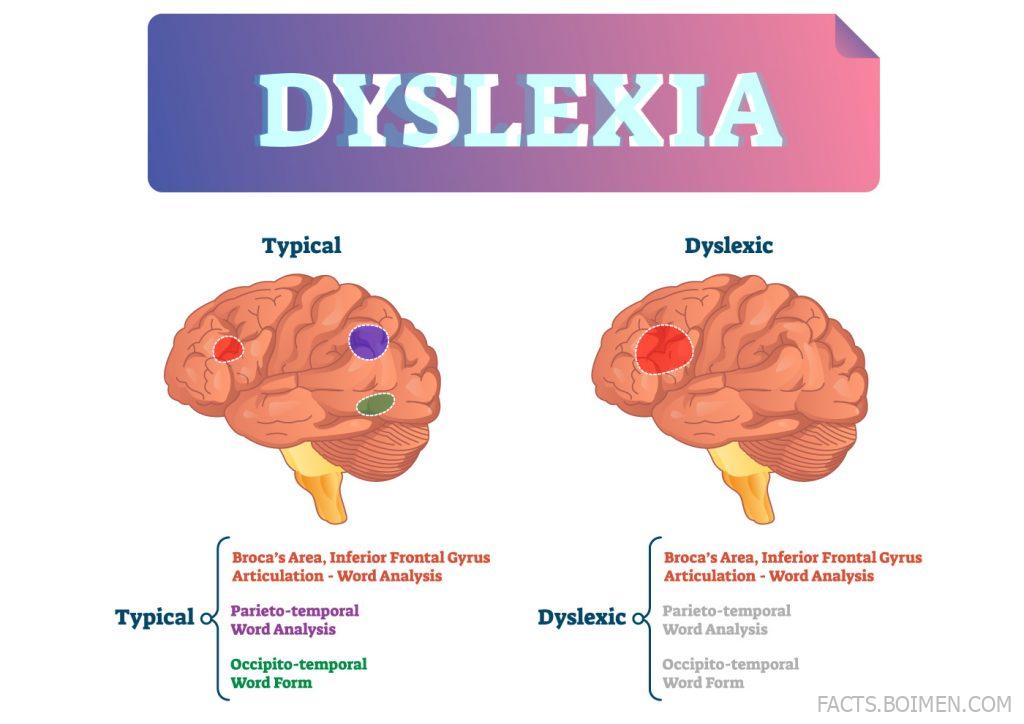

Ever wondered what it feels like to read with dyslexia? These 21 websites and tools let you experience the visual distortions, letter swapping, and word jumbling that millions of people deal with every day. Whether you’re a designer, educator, or just curious, these simulations offer a profound glimpse into a different way of processing text.
Table of Contents(Click to Toggle)
- Why Simulate Dyslexia?
- The 21 Websites & Tools
- 1. Dsxyliea
- 2. Dyslexia Simulator
- 3. Readable
- 4. OpenDyslexic Font
- 5. Dyslexia Fonts
- 6. Sim Daltonism
- 7. Color Oracle
- 8. NoCoffee
- 9. Funkify
- 10. W3C Web Accessibility Initiative
- 11. Dyslexia Simulation by Understood
- 12. Reading Ruler
- 13. Bionic Reading
- 14. See-N-Read
- 15. Ghotit
- 16. Dyslexia Quest
- 17. EyeCanLearn
- 18. Lexilens
- 19. Dyslexia Test by Learning Success
- 20. The Dyslexia Experience
- 21. ReadPlease
- Bonus Mentions
- The Eye-Opening Reality of Dyslexia
Why Simulate Dyslexia? Because Empathy Starts with Experience
Dyslexia affects about 10% of the population, yet most people have zero idea what it’s actually like. Reading is so automatic for most of us that we take it for granted. These simulations aren’t just educational—they’re empathy generators. When you see letters dance, swap, or blur, you’ll never look at a page the same way again. Plus, for designers and developers, understanding these visual barriers is the first step to creating truly accessible content.
The 21 Websites & Tools That Put You in Dyslexia’s Shoes
1. Dsxyliea : A Real-Time Text Jumbler That Mimics Dyslexia
What it is: A web page that takes any text you type and scrambles the middle letters of words while keeping the first and last letters in place—just like many dyslexic readers experience.
Category: Interactive simulation
Why it stands out: The scrambling is dynamic and chaotic, making it feel incredibly authentic. You can paste any paragraph and watch it transform instantly.
Best for: Anyone who wants a quick, visceral taste of reading with dyslexia.
2. Dyslexia Simulator : A Browser Extension for Full-Page Distortion
What it is: A Chrome extension that applies a dyslexia-like filter to any website you visit, including images and text.
Category: Browser extension
Why it stands out: Unlike single-page simulators, this one affects your entire browsing experience, making it a powerful tool for testing accessibility on real sites.
Best for: Web developers and UX designers who want to audit their own work.
3. Readable : A Text Analyzer with a Dyslexia Mode
What it is: A readability scoring tool that includes a dyslexia simulation mode, showing how your content might be perceived.
Category: Accessibility tool
Why it stands out: It combines grammar checking with a visual simulation, giving you both quantitative and qualitative insights.
Best for: Content creators who want to make their writing more inclusive.
4. OpenDyslexic Font : A Free Font Designed for Dyslexic Readers
What it is: A typeface with heavy-weighted bottoms to prevent letter flipping and swapping, available for free download.
Category: Font
Why it stands out: It’s widely used and integrated into many reading apps, making it a practical solution rather than just a simulation.
Best for: Anyone who wants to see the contrast between normal and dyslexic-friendly text.
5. Dyslexia Fonts : A Collection of Legibility-Enhanced Typefaces
What it is: A site offering multiple fonts specifically designed to reduce reading errors for dyslexic users.
Category: Font library
Why it stands out: It provides side-by-side comparisons and lets you test the fonts in real-time with your own text.
Best for: Designers looking for alternative typefaces beyond OpenDyslexic.
6. Sim Daltonism : A Color Blindness Simulator That Also Helps with Visual Stress
What it is: A Mac app that simulates various types of color blindness, which often co-occurs with dyslexia.
Category: Desktop app
Why it stands out: It’s a sleek, professional tool that shows how color contrast affects readability—a key factor for dyslexic readers.
Best for: Graphic designers and app developers who want to ensure their color choices are accessible.
7. Color Oracle : A One-Click Color Blindness Simulator for Designers
What it is: A free color blindness simulator that works across Windows, Mac, and Linux, overlaying your screen in real-time.
Category: Design tool
Why it stands out: It’s lightweight and doesn’t require installation if you run it from a USB stick.
Best for: Quick checks on any design project without a learning curve.
8. NoCoffee : A Firefox Add-On for Visual Impairment Simulations
What it is: A browser extension that simulates low vision, color blindness, and other conditions, including dyslexia-like effects.
Category: Browser extension
Why it stands out: It offers a wide range of visual impairments, making it a comprehensive accessibility testing tool.
Best for: Developers who want to test multiple conditions in one place.
9. Funkify : A Chrome Extension with a Dyslexia Simulator and More
What it is: A tool that simulates dyslexia, ADHD, low vision, and other conditions to help developers understand user experience.
Category: Browser extension
Why it stands out: It includes a “dyslexia” mode that adds text distortion and also simulates attention difficulties.
Best for: UX teams who want to build empathy across different disabilities.
10. W3C Web Accessibility Initiative : The Official Guide to Making Content Dyslexia-Friendly
What it is: The World Wide Web Consortium’s resource hub for accessibility guidelines, including specific tips for dyslexic users.
Category: Educational resource
Why it stands out: It’s the authoritative source for web accessibility, offering practical checklists and techniques.
Best for: Anyone who wants to go beyond simulation and actually fix accessibility issues.
11. Dyslexia Simulation by Understood : An Interactive Video Experience
What it is: A short video that simulates reading with dyslexia, complete with audio distortion and visual chaos.
Category: Video simulation
Why it stands out: It’s engaging and easy to share, making it a great educational tool for classrooms.
Best for: Teachers and parents who want to explain dyslexia to kids.
12. Reading Ruler : A Physical Tool That Mimics Visual Stress
What it is: A colored overlay ruler that helps reduce visual stress, often used by dyslexic readers to track lines.
Category: Physical tool
Why it stands out: It’s a simple, low-tech solution that you can actually buy and try, showing how overlays can change reading experience.
Best for: Anyone who wants a tangible way to understand visual stress.
13. Bionic Reading : A Revolutionary Font That Guides Your Eyes
What it is: A reading system that bolds the first few letters of each word, helping the brain focus and reducing reading errors.
Category: Reading tool
Why it stands out: It’s not a simulation but a solution that many dyslexic users find helpful, and it’s available as an API and browser extension.
Best for: Those who want to see how technology can actually assist dyslexic readers.
14. See-N-Read : A Reading Guide That Reduces Visual Distraction
What it is: A physical reading tool that blocks out surrounding text, helping users focus on one line at a time.
Category: Physical tool
Why it stands out: It’s a practical aid that simulates the narrowed focus some dyslexic readers need.
Best for: Students and professionals who struggle with line tracking.
15. Ghotit : A Writing Assistant for Dyslexic Users
What it is: A spell-checker and grammar checker specifically designed for people with dyslexia, using context-aware algorithms.
Category: Writing tool
Why it stands out: It’s not a simulation but a real-world tool that shows how technology can compensate for dyslexia.
Best for: Dyslexic writers who need extra help with spelling.
16. Dyslexia Quest : A Game That Simulates the Challenges of Dyslexia
What it is: An educational game that tests memory and phonemic awareness, giving players a taste of dyslexic difficulties.
Category: Educational game
Why it stands out: It’s interactive and fun, making it a great way to learn about dyslexia through play.
Best for: Kids and adults who learn best through games.
17. EyeCanLearn : A Visual Perception Training Site
What it is: A collection of exercises that simulate visual processing issues, including those related to dyslexia.
Category: Training resource
Why it stands out: It offers free online exercises that show how visual perception can be trained and improved.
Best for: Those interested in the neurological aspects of reading.
18. Lexilens : Smart Glasses That Filter Visual Distortions
What it is: A pair of electronic glasses that use a special filter to reduce visual stress for dyslexic readers.
Category: Wearable tech
Why it stands out: It’s a high-tech solution that claims to help 85% of dyslexic users, offering a glimpse into future assistive tech.
Best for: Tech enthusiasts and those with severe visual stress.
19. Dyslexia Test by Learning Success : A Quick Self-Assessment with Visual Examples
What it is: An online quiz that includes visual simulations to help you understand dyslexic symptoms.
Category: Assessment tool
Why it stands out: It combines questions with actual distorted text samples, giving immediate context.
Best for: Anyone who suspects they might have dyslexia.
20. The Dyslexia Experience : A Virtual Reality Simulation
What it is: A VR experience that immerses you in a classroom setting with dyslexic reading challenges.
Category: Virtual reality
Why it stands out: It’s the most immersive way to understand dyslexia, using VR to place you in a student’s seat.
Best for: Educators and parents who want a powerful empathy experience.
21. ReadPlease : A Text-to-Speech Tool That Bypasses Reading Difficulties
What it is: A free text-to-speech reader that can read any text aloud, helping dyslexic users consume content without visual decoding.
Category: Accessibility tool
Why it stands out: It’s a practical solution that many dyslexic users rely on, and it’s free.
Best for: Those who want to experience reading through auditory means.
Bonus Mentions
Beeline Reader : Color Gradient Text That Guides the Eye
What it is: A browser extension and app that adds a color gradient to text, helping dyslexic readers track lines more easily.
Why it stands out: It’s a simple yet effective visual aid that many users swear by.
Dyslexic.com : A One-Stop Shop for Dyslexia Resources
What it is: An online store and resource hub offering software, hardware, and books for dyslexia.
Why it stands out: It’s a comprehensive directory of assistive technology.
ClaroRead : A Suite of Reading and Writing Tools
What it is: A commercial software suite that includes text-to-speech, word prediction, and screen masking.
Why it stands out: It’s a professional-grade solution used in many schools.
Spreeder : A Speed Reading Trainer That Also Helps with Focus
What it is: A tool that displays text one word at a time, reducing eye movement and improving concentration.
Why it stands out: It’s a different approach that can benefit dyslexic readers by eliminating visual clutter.
The Eye-Opening Reality of Dyslexia
After spending time with these simulations, you’ll realize that dyslexia isn’t about intelligence—it’s about how the brain processes visual information. Each tool on this list offers a unique window into that world, whether through chaotic letter scrambling, color overlays, or immersive VR. The next time you see a dyslexic reader struggle, you’ll have a better sense of what they’re up against. And if you’re a designer or developer, you now have a toolkit to make your work more inclusive. The internet is full of hidden gems like these, waiting to change your perspective.
What’s the most eye-opening simulation you’ve tried? Share your experience in the comments—I’d love to hear which one resonated with you most.