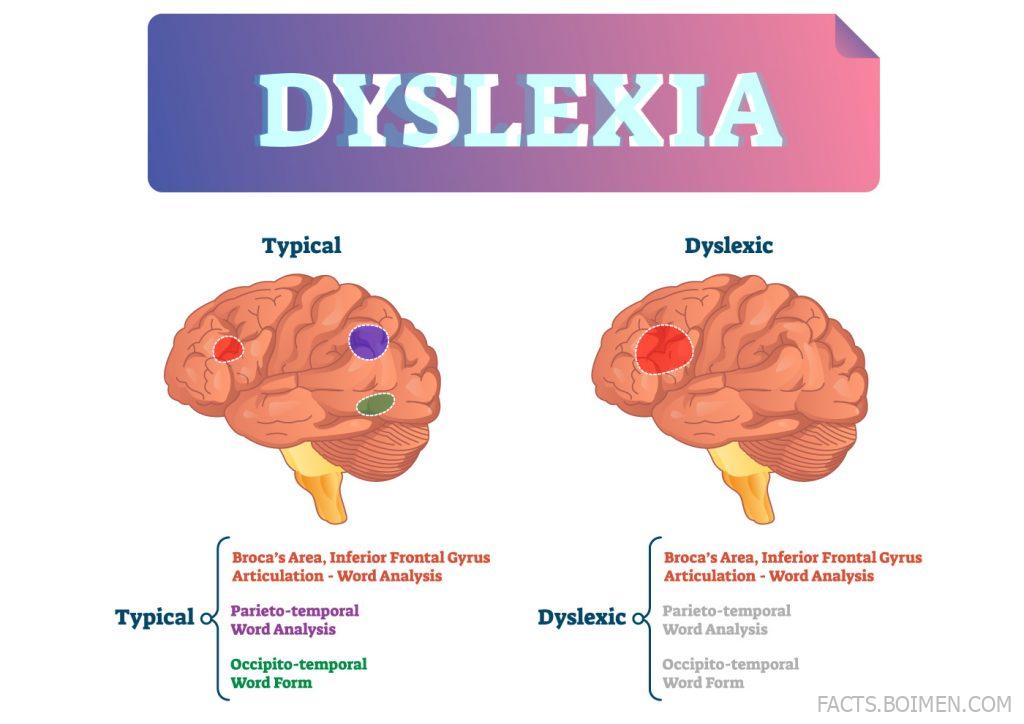
Dyslexia affects how the brain processes written language, making reading a daily challenge for millions. But most people have no idea what those struggles actually feel like. That’s where simulation tools come in—they let you step into the shoes of a dyslexic reader, transforming text into a swirling, jumping, letter-flipping experience. These aren’t just educational; they’re eye-opening. If you’ve ever wondered why certain fonts or layouts help, or you’re designing content for dyslexic audiences, this list is your gateway. Below are 17 websites and tools that simulate or address dyslexia, from the exact one you saw on that pin to practical alternatives for empathy and design.
Table of Contents(Click to Toggle)
- Why Simulating Dyslexia Matters
- 1. Dyslexia Simulation
- 2. Victor Widell’s Dyslexia Simulator
- 3. Dyslexia the Gift Simulation
- 4. OpenDyslexic Font
- 5. Dyslexia Simulator by MyBrain
- 6. See Dyslexia
- 7. Dyslexia Simulation by Dyslexia Scotland
- 8. British Dyslexia Association’s Simulator
- 9. Dyslexia Simulation Game
- 10. Readable
- 11. Dyslexia Reader Chrome Extension
- 12. Ghotit Real Writer
- 13. Dyslexia Tool Kit
- 14. Dyslexia Simulation by Understood
- 15. Color Veil
- 16. BeeLine Reader
- 17. Dyslexia Simulation by Yale Center
- Bonus Mentions
Why Simulating Dyslexia Matters More Than You Think
Most of us take reading for granted—the letters stay put, words flow, and meaning comes easily. But for dyslexic readers, the experience is often chaotic: letters swap, jump, and blur, making even simple sentences a puzzle. Simulation tools bridge the empathy gap, letting designers, educators, and friends understand these challenges firsthand. They also help dyslexic individuals find tools that ease their reading. By exploring these simulations, you’ll gain a deeper appreciation for accessible design and maybe even discover a new perspective on how we communicate.
1. Dyslexia Simulation : The exact tool from the pin
What it is: This is the website you saw on the pin—a simple page that takes any text you type and scrambles it in real time to mimic dyslexia.
Category: Interactive simulator
Why it stands out: It lets you paste your own content, so you can see exactly how your writing might appear to someone with dyslexia. The letters dance and swap, giving an immediate, visceral sense of the struggle.
Best for: Writers and designers who want to test their own material.
2. Victor Widell’s Dyslexia Simulator : A viral web classic
What it is: A popular web page that simulates dyslexia by randomly swapping letters within words while keeping the first and last letters in place.
Category: Interactive simulator
Why it stands out: It’s one of the first simulations to go viral, and it still works perfectly. The effect is startlingly realistic, especially with longer paragraphs.
Best for: Quick demonstrations and educational workshops.
3. Dyslexia the Gift Simulation : A guided walkthrough
What it is: A simulation that presents a series of lines, each more distorted than the last, to show how reading becomes increasingly difficult.
Category: Educational simulation
Why it stands out: It includes explanations alongside each step, helping you understand what’s happening and why.
Best for: Teachers and parents who want a structured introduction.
4. OpenDyslexic Font : A font designed for dyslexic readers
What it is: A free, open-source font that uses heavy weighted bottoms to prevent letters from appearing to flip or swap.
Category: Accessibility tool
Why it stands out: It’s not a simulator, but it’s the opposite—a solution. You can download it and use it on your devices or websites.
Best for: Dyslexic readers and anyone designing accessible content.
5. Dyslexia Simulator by MyBrain : A quick interactive demo
What it is: A simple web-based tool that lets you toggle between normal and simulated dyslexic reading modes.
Category: Interactive simulator
Why it stands out: It includes a slider to adjust the intensity of the distortion, letting you see mild to severe effects.
Best for: Comparing reading experiences side by side.
6. See Dyslexia : A visual experience with real text
What it is: A website that simulates dyslexia using real-world examples like menus and emails.
Category: Interactive simulator
Why it stands out: It shows how everyday documents become challenging, making it relatable for everyday situations.
Best for: Helping non-dyslexic people understand daily struggles.
7. Dyslexia Simulation by Dyslexia Scotland : A charity’s educational tool
What it is: A simulation developed by Dyslexia Scotland to raise awareness.
Category: Educational simulation
Why it stands out: It’s backed by a reputable organization and includes facts about dyslexia alongside the simulation.
Best for: Schools and awareness campaigns.
8. British Dyslexia Association’s Simulator : A trusted resource
What it is: An official simulation from the BDA, part of their awareness resources.
Category: Educational simulation
Why it stands out: It’s authoritative and includes practical advice on how to help dyslexic individuals.
Best for: Parents and educators seeking credible information.
9. Dyslexia Simulation Game : A gamified approach
What it is: A browser-based game that challenges you to read sentences while the text distorts, scoring your accuracy.
Category: Interactive game
Why it stands out: It turns the simulation into a challenge, making it engaging for younger audiences.
Best for: Students and team-building activities.
10. Readable : A readability tool with a simulation
What it is: A readability analysis tool that also offers a dyslexia simulation feature.
Category: Readability tool
Why it stands out: It combines the simulation with readability scores, helping you improve your content for all readers.
Best for: Content creators and marketers.
11. Dyslexia Reader Chrome Extension : Simulate any webpage
What it is: A Chrome extension that applies dyslexia simulation to any webpage you visit.
Category: Browser extension
Why it stands out: You can test any site in real-time, seeing exactly how it looks to a dyslexic reader.
Best for: Web developers and UX designers.
12. Ghotit Real Writer : An assistive writing tool
What it is: A writing assistant designed for dyslexic users, offering spelling and grammar corrections tailored to their needs.
Category: Assistive technology
Why it stands out: It’s a practical solution that helps dyslexic individuals write more confidently, with features like word prediction and text-to-speech.
Best for: Dyslexic students and professionals.
13. Dyslexia Tool Kit : A collection of resources
What it is: A website that curates tools and apps for dyslexic learners, including simulators and assistive tech.
Category: Resource hub
Why it stands out: It’s a one-stop shop for finding helpful resources, with reviews and tips.
Best for: Parents and teachers looking for comprehensive support.
14. Dyslexia Simulation by Understood : A parent-friendly simulation
What it is: A simulation from Understood.org, a nonprofit supporting learning and attention issues.
Category: Educational simulation
Why it stands out: It’s accompanied by clear explanations and tips for parents.
Best for: Families navigating a dyslexia diagnosis.
15. Color Veil : A reading overlay tool
What it is: A software that applies a color overlay to your screen, reducing visual stress for dyslexic readers.
Category: Accessibility tool
Why it stands out: It’s not a simulator but a real aid, and it’s free for personal use.
Best for: Dyslexic readers who benefit from colored backgrounds.
16. BeeLine Reader : A reading aid with a gradient
What it is: A browser extension and app that uses color gradients to guide the eye from one line to the next.
Category: Accessibility tool
Why it stands out: It’s proven to increase reading speed and comprehension for many, including those with dyslexia.
Best for: Improving reading focus and reducing line-switching errors.
17. Dyslexia Simulation by Yale Center : An academic perspective
What it is: A simulation from the Yale Center for Dyslexia & Creativity.
Category: Educational simulation
Why it stands out: It’s backed by leading research and includes insights from experts like Dr. Sally Shaywitz.
Best for: Those seeking a scientific understanding.
Bonus Mentions
Dyslexie on the Web : A font specifically designed for screens
What it is: A commercial font similar to OpenDyslexic, but with extra tweaks for digital readability.
Category: Accessibility tool
Why it stands out: It’s used by major companies to make their sites more accessible.
Best for: Web designers who want a polished dyslexic-friendly font.
Read&Write : A comprehensive literacy toolbar
What it is: A toolbar that offers text-to-speech, word prediction, and other features for dyslexic users.
Category: Assistive technology
Why it stands out: It’s widely used in schools and workplaces, integrating with many platforms.
Best for: Students and professionals needing full support.
Dyslexia Support : A community forum
What it is: An online community where dyslexic individuals and families share experiences and advice.
Category: Community
Why it stands out: It’s a supportive space to ask questions and find real-world solutions.
Best for: Emotional support and tips.
The Internet’s Best-Kept Secrets (So Far)
These simulations and tools are more than just curiosities—they’re bridges to understanding a condition that affects 1 in 5 people. Whether you’re a designer aiming for inclusivity or a friend trying to empathize, these resources offer a glimpse into a different reading world. The next time you see a text that seems to dance, you’ll know why. And if you’ve come across a simulation that’s not on this list, I’d love to hear about it—what did you find that opened your eyes?