
You've seen it on Pinterest: a stunning 'fact' that feels too perfect to be true. Before you hit repin, these eight hacks will help you separate real knowledge from recycled misinformation—fast, free, and without a journalism degree.
- The illusory truth effect makes repeated claims feel true—always verify.
- Reverse image search is your fastest first step to debunk visual misinformation.
- Two independent, reputable sources are the minimum for a claim to be credible.
- Headlines are clickbait; read the original study for real evidence.
- Old news is not breaking news—check the date before sharing.
- Emotional triggers are a red flag; pause and fact-check before you repin.
Why Our Brains Love Sharing False Facts
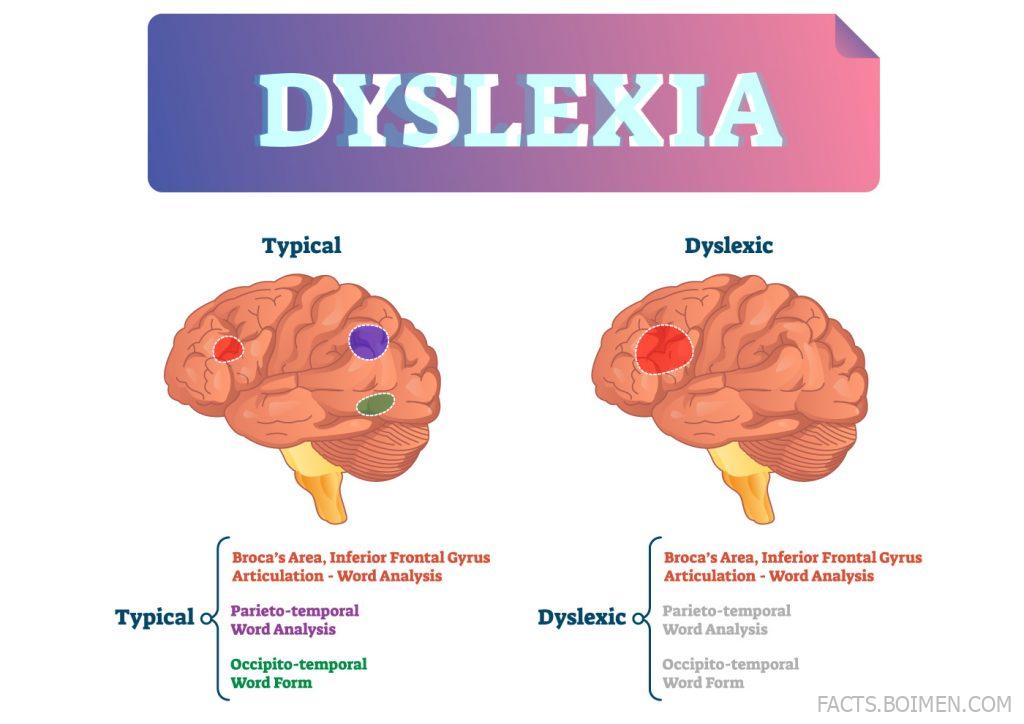
Psychologists call it the 'illusory truth effect': the more we see a claim repeated, the more true it feels. On Pinterest, a beautiful infographic can make a shaky claim look authoritative. I've caught myself repinning 'facts' that turned out to be decades-old myths—like the '5-second rule' or 'we only use 10% of our brains.'
The problem is compounded by algorithmic amplification. When a pin gets saved and shared, Pinterest's algorithm shows it to more people, creating a feedback loop of misinformation. Understanding this bias is the first step to resisting it.
The Power of Reverse Image Search
A compelling photo can make any claim seem credible. But images are easily reused out of context. I once saw a pin claiming a 'new species of glowing jellyfish'—the photo was actually a digitally altered image from a 2015 art project.
Use Google Images or TinEye to search the image itself. Right-click the image (or long-press on mobile) and select 'Search Google for image.' If the image appears on unrelated sites or older posts, the context is likely fabricated. This takes under 30 seconds and can save you from spreading visual misinformation.
Cross-Check with Trusted Sources
One source is no source. When you find a claim that seems surprising, look for at least two independent, reputable sources that confirm it. I check major news outlets, government websites, or academic journals. For health claims, I go straight to the CDC or WHO. For science, I look for the original study or a summary from a university press release.
A quick search with the claim plus 'fact check' often pulls up Snopes, FactCheck.org, or PolitiFact. These sites have already done the legwork and provide clear verdicts with citations. If you can't find a second source, treat the claim as unverified.
Read the Original Study, Not Just the Headline
Headlines are designed to be catchy, not accurate. I've seen 'Coffee causes cancer' and 'Coffee prevents cancer' from the same week. The truth is always in the details: sample size, methodology, correlation vs. causation.
When a pin cites a study, find the actual paper. Look for the sample size—studies with fewer than 100 participants are weak. Check if it was peer-reviewed. And remember: a single study is never conclusive; look for meta-analyses or systematic reviews. For example, a viral pin claimed 'chocolate helps you lose weight'—the original study had only 15 participants and was later retracted.
Check the Date and the Source's Motive
Old news often resurfaces as 'breaking.' A pin about 'a new planet discovered' might be from 2016. Always check the publication date. If it's over a year old, it's likely outdated, especially in fast-moving fields like health or technology.
Also, consider the source's motive. A blog selling supplements will twist science to sell products. A political site will spin facts to fit a narrative. Ask: Who is publishing this, and what do they gain? If the source has a commercial or political agenda, verify the claim with a neutral party.
Use Lateral Reading to Verify Quickly
Instead of reading the page top to bottom, open a new tab and search for the source, the author, and the claim. This is called lateral reading, and it's what professional fact-checkers use. For example, if a pin cites 'Dr. Jane Smith,' search her name to see if she's a real expert or a fictional persona.
I use this technique constantly. When I saw a pin claiming '5G causes COVID-19,' I searched '5G COVID myth' and immediately found debunking articles from the WHO and Reuters. Lateral reading takes less than two minutes and gives you a broader context.
Beware of Confirmation Bias and Emotional Triggers
We're more likely to believe claims that confirm our existing beliefs or that make us angry, afraid, or hopeful. A pin that says 'This simple trick will save your child's life' triggers fear and urgency, making us share without thinking.
To counter this, pause and ask: 'Am I sharing this because it's true, or because it makes me feel something?' If the claim is emotionally charged, it's a red flag. Take a breath, run it through the other hacks, and only share if it passes all checks.
Use Fact-Checking Websites and Browser Extensions
There are dedicated tools to make verification easier. Snopes, FactCheck.org, and PolitiFact are my go-tos. For health, I use Health Feedback. For climate, I use Climate Feedback.
You can also install browser extensions like NewsGuard or B.S. Detector that rate the credibility of websites in real time. On Pinterest, you can search for the claim within the app to see if any reputable sources have addressed it. These tools automate the verification process and give you confidence in what you share.
The Hacks, Step by Step
- 1Run a reverse image search
Right-click (or long-press) the image and select 'Search Google for image.' If it appears in unrelated contexts, the claim is likely fabricated. - 2Search for the claim plus 'fact check'
Use a search engine to see if Snopes, FactCheck.org, or PolitiFact has already investigated the claim. This gives you a quick verdict with citations. - 3Find at least two independent sources
Look for the same claim on two reputable sites not quoting each other. If you can't, treat it as unverified. - 4Locate the original study or data
If a pin cites a study, find the paper. Check the sample size and whether it was peer-reviewed. A single study with a small sample is weak evidence. - 5Check the publication date
If the claim is more than a year old, verify it's still current. Old news often resurfaces as 'new' discoveries. - 6Assess the source's motive
Ask who published the pin and what they gain. If it's a commercial or political source, verify with a neutral party. - 7Pause when emotionally triggered
If the claim makes you angry, fearful, or overly hopeful, take a break. Emotional content is more likely to be shared without verification. - 8Use fact-checking websites or extensions
Bookmark Snopes, FactCheck.org, and Health Feedback. Install NewsGuard or B.S. Detector to see website credibility ratings in your browser.
The most dangerous misinformation is the kind that feels true—so make verification a habit, not an afterthought.
Frequently Asked Questions
How can I fact-check an image on Pinterest?
Use reverse image search via Google Images or TinEye. Right-click the image and select 'Search Google for image' to see where else it appears.
What is the best fact-checking website?
Snopes is the most comprehensive for viral claims, but FactCheck.org and PolitiFact are excellent for political topics, and Health Feedback for medical claims.
How do I know if a study is reliable?
Check if it's peer-reviewed, has a large sample size (hundreds or thousands), and has been replicated or included in a meta-analysis.
Why do people share fake facts on Pinterest?
The illusory truth effect makes repeated claims feel true, and emotional content triggers sharing without verification. Also, algorithm algorithms amplify sensational pins.