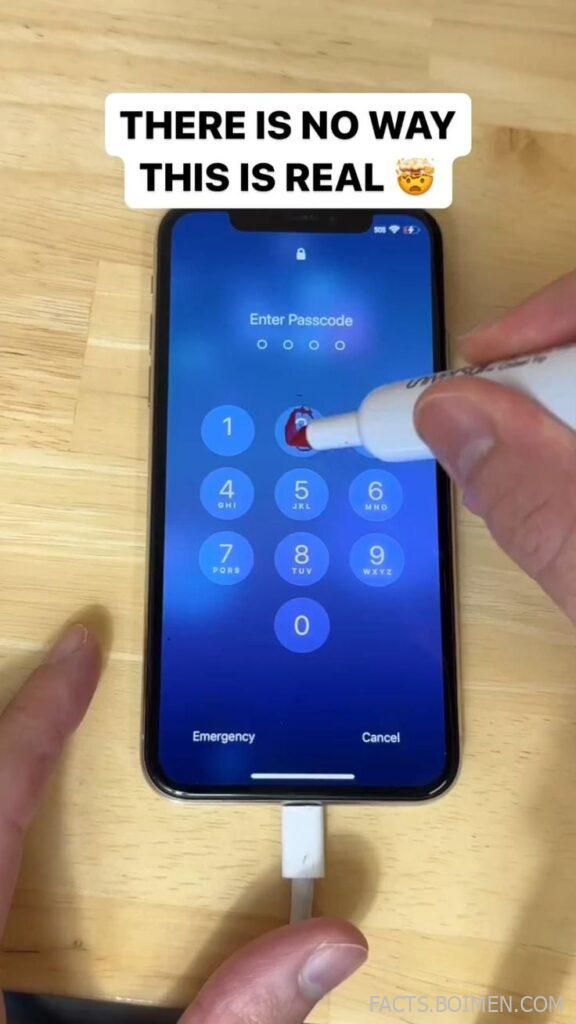
Late at night, scrolling through short videos, you see a clip that stops you instantly. A phone sits on a wooden desk, locked. A hand moves into frame holding a marker, touches the screen, and suddenly the internet claims something unbelievable just happened. The caption reads: “There is no way this is real.”
Moments like this are not just random viral clips. They follow a predictable storytelling formula rooted in curiosity, perception, and digital behavior. In this article, we break down why phone “hack” videos perform so well, what they reveal about online culture, and how creators use storytelling techniques to capture attention and drive engagement.
The Hook: Curiosity as the Engine of Attention
Every strong viral story begins with friction between expectation and surprise. In this case:
- A locked phone signals security and control
- A simple object like a marker suggests harmless action
- The dramatic caption triggers disbelief
This contrast activates curiosity. Viewers feel compelled to keep watching to resolve the tension.
From a content performance perspective, this aligns with high-CPC digital niches such as:
- Mobile security awareness
- Device troubleshooting
- Consumer technology education
- Data privacy practices
These topics attract strong advertiser demand due to consistent search intent and user value.
The Narrative Structure Behind Viral Clips
1. The Setup
The camera frames a relatable scene: a modern smartphone, neutral lighting, minimal distractions. This normalcy builds trust and credibility.
2. The Disruption
A simple action appears to challenge known limitations. This is the turning point that transforms routine content into story-driven engagement.
3. The Suspense
The viewer anticipates an outcome but lacks information. That uncertainty drives completion rate, one of the strongest performance signals in algorithmic distribution.
Why Phone Content Drives High CPC Engagement
Technology-related storytelling performs well commercially because it intersects with:
Strong Intent Categories
• Cybersecurity solutions
• Mobile device insurance
• Screen protection products
• Technical support services
Advertisers prioritize these audiences due to consistent conversion potential and scalable reach.
The Psychology Behind Believability
Phone “hack” content works because it taps into three cognitive responses:
Pattern Recognition
Viewers constantly evaluate whether something matches their knowledge. When it does not, attention increases.
Risk Awareness
Even harmless demonstrations trigger subconscious concern about device safety.
Social Validation
Comment sections often become the real story, where viewers debate authenticity, reinforcing engagement loops.
The Role of Visual Simplicity
This type of storytelling benefits from minimal visual noise:
- Clean background improves clarity
- Close framing focuses attention
- Simple motion maintains pacing
These design choices reduce distraction and strengthen message retention.
Lessons for Content Creators
If you want to replicate similar storytelling success:
Focus on Realistic Scenarios
Authenticity increases trust and watch time.
Build Suspense Gradually
Avoid revealing the outcome too early.
Use Clear Visual Language
Keep framing tight and purposeful.
Align With High-Intent Topics
Technology, productivity, and security themes often outperform general entertainment.
Conclusion
The image you shared represents more than a surprising moment. It shows how structured storytelling, curiosity triggers, and strong visual framing combine to create high-performing digital content. Phone-related narratives continue to succeed because they feel immediate, personal, and relevant to daily life.
For creators, understanding these mechanics is more valuable than copying the trick itself. The real strategy lies in controlling attention through pacing, clarity, and emotional tension while aligning with high-value subject areas.