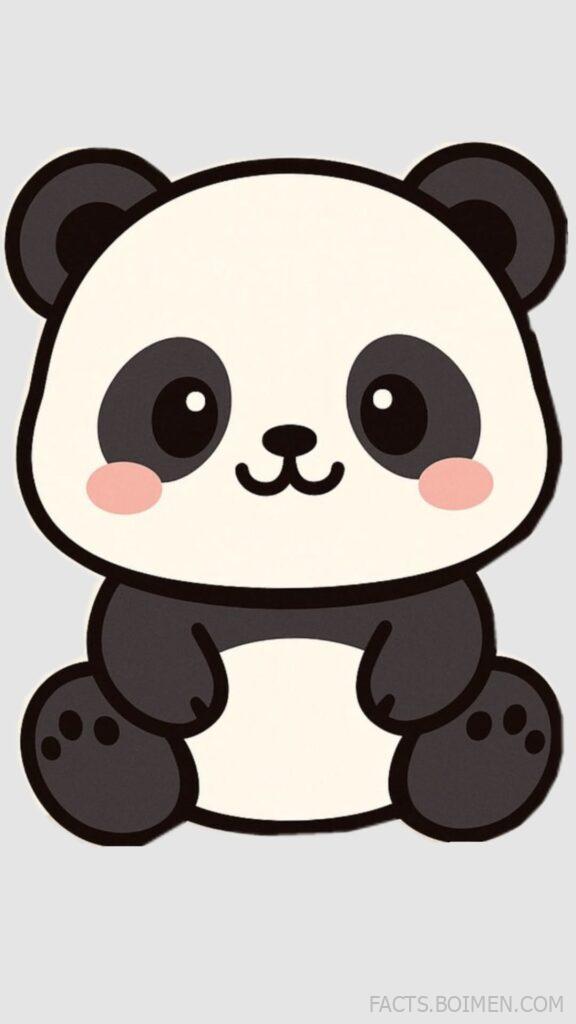
Want to capture that irresistible charm of a panda with oversized, expressive eyes? I've spent years sketching wildlife and teaching beginners, and these 7 hacks will transform your panda drawings from flat to fabulous—fast.
- Big eyes (1/3 of head height) trigger cuteness—never skimp on size.
- The bean-shaped torso adds volume and prevents a stiff pose.
- Head should be about 60% of body width for maximum charm.
- Ears high and small—about the size of the eyes—keep proportions balanced.
- Black patches are teardrop-shaped, not circles—taper them toward the nose.
- Use gradient shading, not flat black, for a plush, professional finish.
Start with the Eyes: The Window to Panda Charm
The eyes are the soul of your panda, and getting them right makes or breaks the drawing. Begin by sketching two large, rounded almond shapes, tilted slightly outward for a gentle, curious expression. Place them about one eye-width apart—this spacing ensures a friendly, approachable look, not a startled one.
Why it works: Big eyes trigger an innate nurturing response in viewers (think baby schema). By enlarging them to about one-third of the head's height, you instantly boost cuteness. A common mistake is making them too small or too close together, which makes the panda look mean or cross-eyed. Keep them generous and spaced naturally.
Master the Sitting Pose: Balance and Weight
A sitting panda should look grounded and relaxed. Start with a rough circle for the lower body (the haunches) and a smaller circle for the head, overlapping slightly. Connect them with a smooth, curved spine that arches gently—this creates a natural 'C' curve.
Why it works: The overlapping circles give you a solid structure to hang the fur and features on. It prevents the panda from looking like a floating head. The most common mistake is drawing the legs too long or the body too upright, making it look like a human in a suit. Keep the haunches wide and the feet flat on the ground.
Use the 'Bean Shape' for the Body
Instead of a plain oval, sketch a kidney or bean shape for the torso. The indentation on one side suggests the chest and belly, giving the panda a plump, huggable form. This shape also naturally accommodates the front legs, which should tuck in front of the belly.
Why it works: The bean shape adds volume and a dynamic curve that flat ovals lack. It makes the panda look soft and three-dimensional. A frequent error is making the bean too symmetrical, which stiffens the pose. Let one side be slightly larger to suggest the panda's weight shift.
Exaggerate the Head-to-Body Ratio
For maximum cuteness, make the head noticeably larger than the body—about 1:1.5 ratio. In real pandas, the head is relatively large, but for a charming illustration, push it further. This is a classic cartooning technique.
Why it works: A larger head emphasizes the eyes and facial features, amplifying the baby-like appeal. It also balances the sitting pose, making the panda look top-heavy and adorable. The mistake? Making the head too small, which turns your panda into a realistic but less endearing animal. Aim for a head that's about 60% of the body's width.
Perfect the Ear Placement and Shape
Panda ears are small, rounded, and set high on the head, slightly on the sides. They should be about the size of the eyes, and positioned so that a line through the eyes would cross the middle of the ears.
Why it works: Correct ear placement anchors the head and adds to the panda's characteristic silhouette. If the ears are too low or too big, it ruins the proportions. A common mistake is drawing them as perfect circles; instead, use a slightly flattened oval to mimic the natural curve.
Add the Black Patches with Purpose
The black patches around the eyes are iconic. They are not perfect circles—they taper slightly toward the nose, like a rounded teardrop. Extend them a bit beyond the eye outline to create a soft, blended look.
Why it works: The patches frame the eyes and direct the viewer's gaze. The teardrop shape adds a subtle expression of concentration or curiosity. A frequent error is making the patches too round or too thick, which hides the eye shape. Keep them thin enough to let the eye's white show clearly.
Use Shading to Create Depth, Not Flat Black
Instead of filling the black areas with a solid #000, use a gradient. Start with a dark gray and build up to black at the edges. This gives the fur a soft, plush texture. Similarly, shade under the chin and belly to ground the panda.
Why it works: Gradients mimic how light falls on fur, making the drawing pop off the page. Flat black looks like a sticker. The mistake is over-shading—keep the highlights on the top of the head and the belly to maintain a soft, rounded look.
The Hacks, Step by Step
- 1Sketch the basic shapes
Draw a large oval for the head and a smaller bean shape for the body, overlapping slightly. Use light pencil strokes so you can adjust. - 2Position the eyes
Mark two large almond shapes, one eye-width apart, centered on the head. Make them about one-third the height of the head. - 3Add the ears and nose
Place two small ovals on top of the head, and a tiny oval for the nose at the bottom center of the face. Keep the nose small and rounded. - 4Outline the black patches
Draw teardrop shapes around the eyes, extending slightly outward and downward. Ensure they don't cover the entire eye. - 5Define the sitting posture
Sketch the front legs as two curved lines tucking in front of the belly, and the back feet as flat ovals at the base. - 6Refine the fur texture
Add short, jagged strokes along the outline to suggest fur. Keep the strokes consistent in direction. - 7Shade and finish
Use a soft pencil to shade the black areas, leaving the top of the head and belly lighter. Erase any unnecessary guidelines and darken the final lines.
The secret to a captivating panda isn't realism—it's the deliberate exaggeration of the features that make us go 'aww.'
Frequently Asked Questions
How do you draw a panda sitting down for beginners?
Start with simple shapes: a circle for the head and a bean shape for the body, then add the eyes and ears. This method breaks the process into manageable steps, making it easy to get proportions right.
What is the best way to draw panda eyes?
Draw large, almond-shaped eyes with a slight upward tilt at the outer corners, and leave a small white highlight for a lively sparkle. This makes the panda look alert and friendly.
How can I make my panda drawing look cute?
Exaggerate the head-to-body ratio (make the head larger), keep the eyes big and the nose small, and use soft, rounded lines. These features mimic human baby characteristics, which naturally evoke affection.
What are common mistakes when drawing a panda?
Making the eyes too small, placing the ears too low, and using flat black for the fur are common pitfalls. These mistakes can make the panda look less appealing and more like a generic bear.
How do you shade a panda drawing to look realistic?
Use a range of grays and blacks, layering the pencil strokes and blending with a stump or your finger. Leave the top of the head and belly lighter to suggest light hitting the fur, and darken the underbelly for depth.