
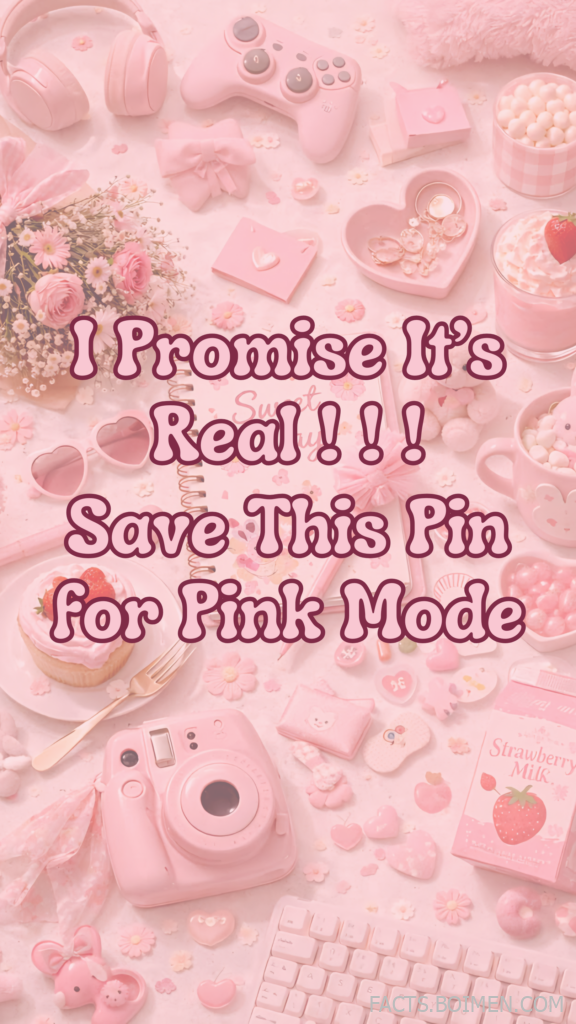
Pink isn't just a color—it's a vibe. On Pinterest, pink pins consistently outperform others, driving higher saves, clicks, and engagement. Whether you're a blogger, small business owner, or content creator, tapping into this powerful hue can transform your Pinterest strategy. From color psychology to design tweaks, these 15 practical hacks will help you harness the magic of pink and watch your pins soar.
1. Understand the Psychology of Pink
Pink evokes feelings of warmth, romance, and playfulness. On Pinterest, it's often associated with self-care, fashion, beauty, and lifestyle content. By using pink strategically, you can attract users seeking inspiration in these niches. Use soft pastel pinks for a calming, feminine vibe, or vibrant hot pinks for bold, energetic content. Match your pink shades to the mood of your content to resonate with your audience.
2. Create a Pink-Centric Board
Dedicate a board to pink-themed content, such as 'Pink Aesthetic' or 'Pink Living'. Curate not only your own pins but also high-quality pins from others. This positions you as a go-to resource for pink inspiration, increasing your brand's visibility and authority. Use keyword-rich board titles and descriptions to boost discoverability.
3. Use Pink in Your Pin Design
Incorporate pink backgrounds, borders, or text overlays in your pin images. Tools like Canva offer pre-designed pink templates. Keep your brand's primary colors in mind—use pink as an accent or dominant hue. Ensure text is readable with high contrast (e.g., white or dark text on pink). Test different pink shades (blush, rose, magenta) to see which resonate best with your audience.
4. Leverage Pink in Seasonal Campaigns
Pink peaks during Valentine's Day, Mother's Day, Breast Cancer Awareness Month (October), and spring. Plan your content calendar around these events, creating pink-themed pins with relevant keywords like 'Valentine's Day DIY' or 'Pink Spring Fashion'. Timely pink content can ride the wave of seasonal search trends, boosting visibility.
5. Optimize with Pink-Infused Keywords
Include pink-related keywords in your pin titles, descriptions, and alt text. Examples: 'pink aesthetic', 'pink outfit ideas', 'pink bedroom decor', 'blush color palette'. Use Pinterest's search suggest feature to find trending pink phrases. This helps your pins appear in searches for pink content, attracting the right audience.
6. Create Eye-Catching Pink Collages
Collages are popular on Pinterest. Design vertical collages (1000x1500px) featuring multiple pink-toned images. Overlay a catchy title like 'Pink Dream Home Inspo'. Collages encourage saves and clicks, as users love to see variety in one pin. Use tools like PicMonkey or Canva to easily create them.
7. Harness User-Generated Content
Encourage your followers to share photos with pink themes using a branded hashtag like #MyPinkLife. Repost the best ones (with permission) as fresh pins. This not only provides authentic content but also builds community. User-generated content often performs well because it's relatable and trustworthy.
Key Points
- Pink drives higher engagement on Pinterest due to its emotional appeal.
- Use pink strategically in designs, keywords, and seasonal campaigns.
- Create pink-specific boards and leverage user-generated content for authenticity.
FAQ
Does pink work for all niches on Pinterest?
Pink is versatile but most effective for lifestyle, fashion, beauty, home decor, and DIY. For other niches, use pink as an accent to add warmth without overpowering your brand.
What are the best pink shades for Pinterest?
Soft pastel pinks (blush, baby pink) work for a calm aesthetic, while vibrant pinks (magenta, hot pink) grab attention. Test different shades to see what your audience prefers.
How often should I pin pink content?
Consistency is key. Mix pink pins into your regular schedule, but avoid overdoing it. Aim for at least 1-2 pink-themed pins per week to maintain relevance without saturating your feed.